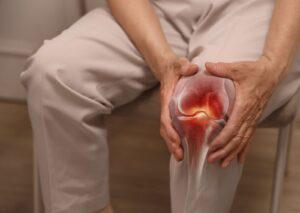
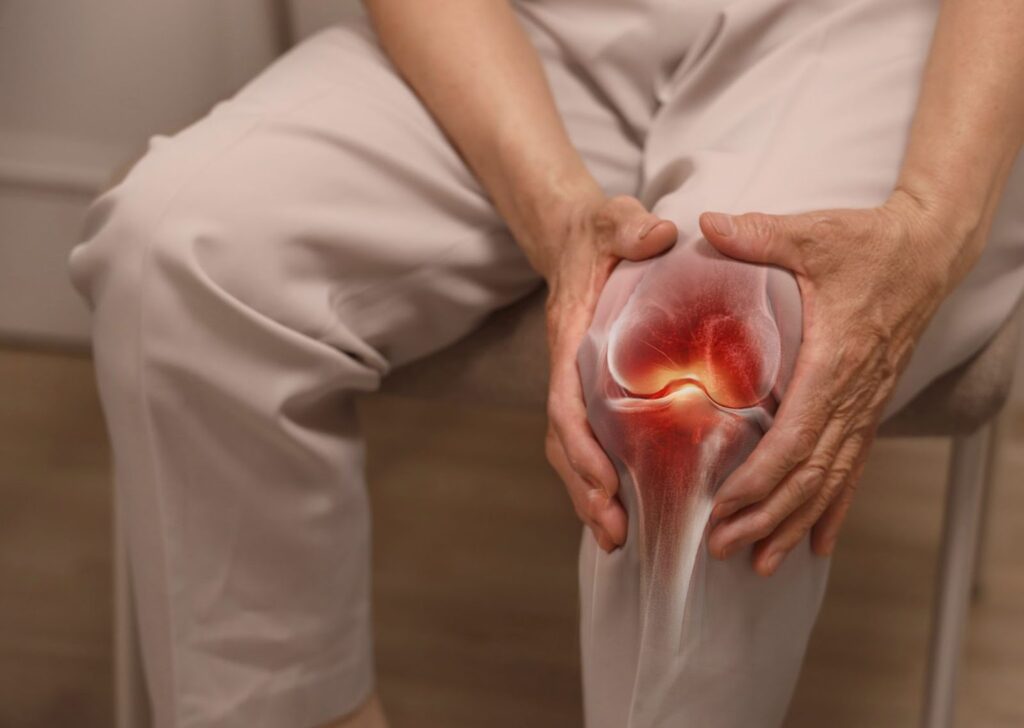
Knee pain is one of the most common musculoskeletal problems affecting people of all ages. Whether you’re an athlete, a working professional, or a senior dealing with age-related issues, knee discomfort can significantly impact your daily routine. Understanding the causes and getting the right diagnosis is the first step toward effective recovery.
If you’re searching for the best orthopedic doctor Englewood NJ, this guide will help you understand when and why expert care is essential for long-term relief.
Understanding Knee Pain: Why It Happens
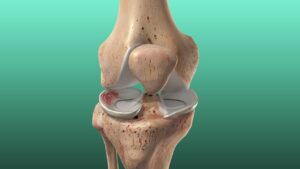
The knee is one of the largest and most complex joints in the human body. It supports your weight, enables movement, and absorbs shock. Because of its constant use, it is highly vulnerable to injuries and degenerative conditions.
Knee pain can be classified into two main types:
Acute Knee Pain
This occurs suddenly due to injury, trauma, or accidents.
Chronic Knee Pain
This develops gradually over time and is often associated with aging or underlying medical conditions.
Common Causes of Knee Pain
Understanding the root cause is crucial for choosing the right knee pain treatment in Englewood.
1. Ligament Injuries (ACL, MCL Tears)
Ligaments connect bones and stabilize the knee. Injuries like ACL tears are common in sports and can cause:
- Sudden pain
- Swelling
- Instability
2. Meniscus Tears
The meniscus acts as a cushion between bones. A tear can occur due to twisting movements and often results in:
- Locking sensation
- Pain during movement
- Swelling
3. Osteoarthritis
One of the most common causes of chronic knee pain, osteoarthritis, occurs due to cartilage breakdown. Symptoms include:
Stiffness
Reduced mobility
Persistent pain
4. Patellar Tendinitis
Also known as “jumper’s knee,” this condition affects the tendon connecting the kneecap to the shinbone.
5. Runner’s Knee
Common among athletes and active individuals, this causes pain around the kneecap due to overuse or improper alignment.
6. Fractures and Dislocations
Trauma or accidents can lead to serious structural damage requiring immediate medical attention.
Risk Factors for Knee Pain
Certain factors increase your chances of developing knee problems:
- Aging
- Obesity
- Sports activities
- Poor posture
- Previous injuries
- Weak muscles
If you fall into any of these categories, consulting an orthopedic specialist for knees can help prevent long-term complications.
When Should You See a Doctor?
Not all knee pain requires immediate medical attention, but some symptoms should never be ignored:
- Severe pain or swelling
- Inability to bear weight
- Joint instability
- Limited range of motion
- Pain lasting more than a few days
Seeking help from the best orthopedic doctor Englewood NJ ensures early diagnosis and faster recovery.
How Knee Pain Is Diagnosed
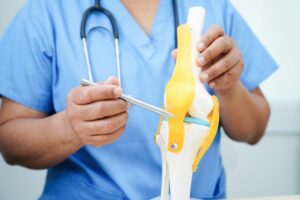
Proper diagnosis is essential for choosing the right treatment plan. Here’s what you can expect during your visit:
1. Medical History Review
Your doctor will ask about:
- Symptoms
- Injury history
- Activity level
2. Physical Examination
This includes checking:
- Range of motion
- Swelling
- Stability
- Pain points
3. Imaging Tests
- X-rays
- Used to detect bone fractures and arthritis.
- MRI (Magnetic Resonance Imaging)
- Helps visualize soft tissues like ligaments, cartilage, and tendons.
CT Scan
Provides detailed images of bone structures.
Accurate diagnosis ensures the most effective knee pain treatment in Englewood tailored to your condition.
Treatment Options for Knee Pain
Once diagnosed, your doctor will recommend a personalized treatment plan. These may include:
Non-Surgical Treatments
Most knee issues can be managed without surgery:
- Physical therapy
- Medications (pain relievers, anti-inflammatories)
- PRP injections
- Lifestyle modifications
- Bracing or support
Working with an experienced orthopedic specialist for knees ensures these treatments are optimized for faster healing.
Surgical Treatments
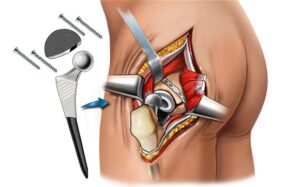
If conservative treatments fail, surgery may be required. Common knee surgery options include:
- Arthroscopic surgery (minimally invasive)
- Ligament reconstruction (ACL repair)
- Cartilage restoration
- Partial knee replacement
- Total knee replacement
Modern surgical techniques are minimally invasive, reducing recovery time and improving outcomes.
Importance of Early Diagnosis
Delaying treatment can worsen the condition and lead to:
- Chronic pain
- Joint deformity
- Reduced mobility
- More complex surgeries
Early intervention by a specialist ensures better results and faster recovery.
Preventing Knee Pain
While not all knee issues can be prevented, these tips can help reduce risk:
- Maintain a healthy weight
- Strengthen leg muscles
- Warm up before exercise
- Use proper techniques during physical activity
- Wear supportive footwear
Regular check-ups with an orthopedic expert can also help detect issues early.
Take the First Step Toward Pain-Free Movement
Book your consultation today and get expert guidance for lasting relief from knee pain.
Don’t let discomfort hold you back; start your journey to recovery with personalized, expert care tailored to your needs.
Conveniently located in Englewood, NJ, New York City , Jamaica , Clifton we are proud to connect you with the best orthopedic doctor near you, ensuring advanced treatment and compassionate care close to home.
Take control of your mobility and return to the activities you love. Schedule your appointment today!
Conclusion
Knee pain can disrupt your life, but the good news is that effective treatments are available. Understanding the causes and getting an accurate diagnosis is key to recovery. Whether your condition requires simple therapy or advanced procedures, consulting the right expert makes all the difference.
If you’re experiencing persistent discomfort, don’t wait. Seek guidance from a trusted specialist and explore the best treatment options available. With expert care and timely intervention, you can regain mobility, reduce pain, and return to your active lifestyle.
(FAQs)
1. What is the most common cause of knee pain?
The most common cause is osteoarthritis, especially in older adults. Injuries like ligament tears are also frequent in younger individuals.
2. When should I see a doctor for knee pain?
You should see a doctor if pain lasts more than a few days, worsens, or affects your ability to walk or perform daily activities.
3. Can knee pain be treated without surgery?
Yes, many conditions can be treated with physical therapy, medications, and lifestyle changes.
4. How long does it take to recover from knee surgery?
Recovery time varies depending on the procedure, but typically ranges from a few weeks to several months.
5. What is the best treatment for knee pain?
The best treatment depends on the cause. A proper diagnosis from a specialist is essential for effective care.