Knee pain can have a significant negative impact on day-to-day activities, limiting mobility and reducing the overall quality of life. Knee replacement surgery is frequently the best option for patients with severe arthritis, injuries, or long-term knee conditions. Muscle-sparing total knee replacement is one of the most recent developments in orthopedic surgery and is gaining popularity due to its less invasive approach, quicker recovery time, and improved outcomes. Everything you need to know about this procedure, its advantages, and the reasons why patients in New Jersey are increasingly choosing it will be covered in this article.
What is Muscle-Sparing Total Knee Replacement?
Traditional knee replacement surgery involves making a large incision and temporarily cutting through muscles around the knee to access the joint. While effective, this approach often results in longer recovery times, more postoperative pain, and extended rehabilitation.
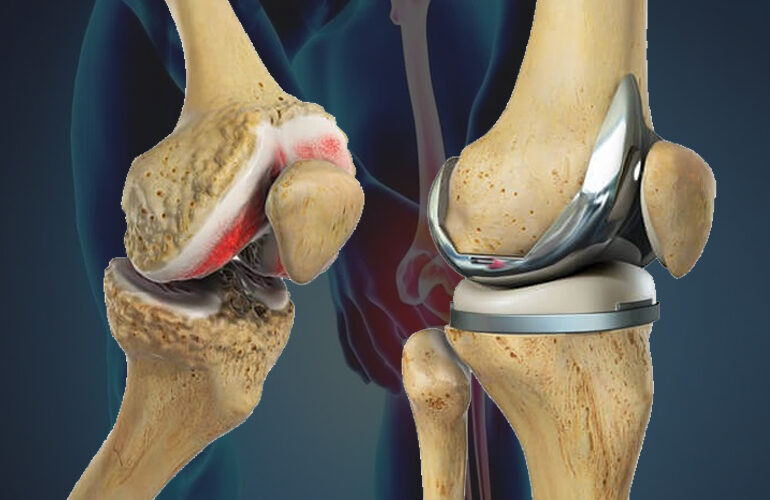
Muscle-sparing total Knee Replacement New Jersy is a modern technique designed to preserve the surrounding muscles and soft tissues. By carefully navigating around the quadriceps and other key muscles, orthopedic surgeons can replace the damaged knee joint without unnecessarily disrupting healthy tissue. This approach not only reduces trauma but also supports a faster, smoother recovery.
How Does the Muscle-Sparing Technique Work?
The procedure requires several key steps:
- Minimally Invasive Incision: Surgeons make a smaller incision, typically 3 to 5 inches, compared to traditional methods. This allows access to the knee joint while minimizing tissue damage.
- Muscle Preservation: The quadriceps tendon and surrounding muscles are carefully moved aside rather than being cut. This preserves strength and improves postoperative function.
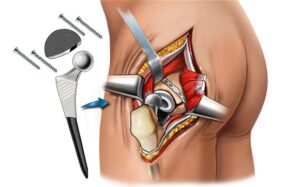
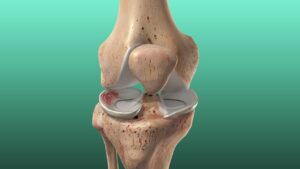
- Joint Replacement: Damaged portions of the knee, including cartilage and bone, are replaced with prosthetic components designed to mimic natural joint movement.
- Precise Alignment: Advanced imaging and computer-assisted tools may be used to ensure accurate placement of the implant, enhancing longevity and functionality.
- Closure and Recovery: The incision is closed with minimal disruption to tissues, reducing pain and promoting faster healing.
Because this technique avoids cutting major muscles, patients often experience less pain, reduced swelling, and a quicker return to normal activities.
Advantages of Muscle-Sparing Knee Replacement
Muscle-sparing total knee replacement offers several advantages over traditional knee replacement procedures:
1. Faster Recovery
Patients often regain mobility and resume daily activities sooner due to reduced trauma to the muscles. Physical therapy can begin earlier, supporting quicker functional improvement.
2. Less Postoperative Pain
By preserving muscle tissue, the procedure significantly decreases postoperative pain, reducing the need for pain medication and enhancing patient comfort.
3. Smaller Incisions and Reduced Scarring
The minimally invasive approach results in smaller scars, which are aesthetically favorable and promote faster healing.
4. Improved Muscle Function
Because the quadriceps and surrounding muscles remain intact, patients maintain greater strength in the knee, improving stability and overall joint function.
5. Lower Risk of Complications
Reduced tissue damage and careful surgical techniques minimize the risk of complications such as infection, blood loss, and prolonged hospital stays.
6. Long-Term Benefits
Muscle preservation supports better long-term outcomes, including improved mobility and enhanced quality of life. Many patients report greater satisfaction with their joint function compared to traditional knee replacement surgery.
Who is an applicant for Muscle-Sparing Knee Replacement?
Muscle-sparing total knee replacement is suitable for patients experiencing:
- Severe osteoarthritis causing chronic knee pain
- Rheumatoid arthritis affects knee function
- Post-traumatic arthritis or joint damage
- Loss of mobility impacting daily activities
- Knee deformities or stiffness requiring surgical correction
A thorough evaluation by an orthopedic specialist for knee in Englewood is essential to determine candidacy. Surgeons consider factors such as age, activity level, bone quality, and overall health before recommending the most appropriate procedure.
What to Expect Before Surgery
Before undergoing muscle-sparing knee replacement, patients typically go through several preoperative steps:
- Comprehensive Evaluation: Medical history, physical examination, and imaging studies such as X-rays or MRI are conducted to assess the severity of joint damage.
- Preoperative Planning: Surgeons create a personalized surgical plan, including implant selection and alignment strategy.
- Prehabilitation: Some patients participate in exercises designed to strengthen muscles around the knee, improving postoperative recovery.
- Health Optimization: Conditions such as diabetes, high blood pressure, or obesity may be addressed to reduce surgical risks.
Improvement After Muscle-Sparing Knee Replacement
Improvement is generally faster with the muscle-sparing technique, but adherence to post-surgery protocols is crucial:
- Immediate Postoperative Care: Patients may begin gentle movement and walking with assistance on the same day or within 24 hours.
- Physical Therapy: A structured rehabilitation program helps restore strength, flexibility, and range of motion.
- Pain Management: Reduced tissue trauma leads to lower pain levels, allowing easier participation in rehabilitation exercises.
- Follow-Up Appointments: Regular check-ups ensure proper healing and implant function.
Most patients can return to daily activities within a few weeks, and low-impact exercise can typically resume within 6–8 weeks, depending on individual progress.
Why Prefer a Muscle-Sparing Approach in New Jersey?
The muscle-sparing method combines cutting-edge surgical innovation with patient-centered care for New Jersey residents seeking knee replacement. Orthopedic specialists with this training concentrate on reducing pain, maintaining muscle function, and accelerating healing.
At the top orthopedic centers for knee replacement in Englewood, NJ, patients benefit from experienced surgeons, advanced surgical tools, and comprehensive rehabilitation programs. The emphasis on muscle preservation makes this an ideal choice for active adults, seniors, and anyone looking for a faster return to mobility.
Conclusion
A major development in orthopedic surgery, muscle-sparing total knee replacement offers patients reduced pain, quicker recovery, and better long-term knee function. This method improves overall results by protecting muscles and reducing surgical trauma, which is why it is becoming a more popular choice for knee replacement in New Jersey.
To find out if muscle-sparing knee replacement is the best option for you, speak with a qualified orthopedic specialist if you have knee pain, restricted mobility, or stiff joints.
Locations We Serve
We proudly offer Knee Replacement New Jersey services in:
- Clifton, NJ
- New York, NY
- Jamaica, NY
Our team of orthopedic specialists is dedicated to providing personalized care and helping patients regain their mobility and quality of life through advanced knee replacement procedures.
Call us or book online at https://ecboneandjoint.com/. Let’s take the first step together toward better joint health.
Faq
1. Who is a good candidate for knee replacement surgery in New Jersey?
Patients with severe knee pain, stiffness, or limited mobility caused by arthritis or joint damage may be good candidates. If non-surgical treatments like medication or physical therapy no longer provide relief, a knee replacement may be recommended by an orthopedic surgeon.
2. How long does recovery take after knee replacement surgery?
Most patients begin walking with support within a day or two. Initial recovery usually takes 6–8 weeks, while full recovery and strength improvement can take 3–6 months, depending on health and rehabilitation progress.
3. Is knee replacement surgery painful?
Pain is managed with modern anesthesia, medications, and physical therapy. Most patients report significant pain relief compared to their pre-surgery discomfort once healing begins.
4. How long does a knee replacement last?
Modern knee implants typically last 15–20 years or longer, especially with proper care, maintaining a healthy weight, and following your surgeon’s activity recommendations.
5. How do I choose the best knee replacement surgeon in New Jersey?
Look for a board-certified orthopedic surgeon with experience in knee replacement procedures, advanced surgical techniques, positive patient reviews, and access to comprehensive rehabilitation care.