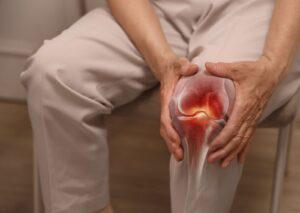

One of the most common reasons people go to an orthopedic doctor is because they have joint pain. But a lot of people don’t know if their symptoms are caused by rheumatoid arthritis or osteoarthritis. Both illnesses impact the joints; they vary in their cause, symptoms, and treatments.
Understanding the difference between osteoarthritis vs. rheumatoid arthritis symptoms helps patients receive appropriate medical care early. If left untreated, both conditions can progressively reduce mobility and quality of life.
Patients at Sean Thompson, MD’s orthopedic office get professional arthritis orthopedic treatment NYC that helps with joint degeneration and inflammatory joint conditions.
If you live in Jamaica, NY, Englewood, NJ, or Clifton, NJ, a professional evaluation can help determine whether your pain is caused by degenerative cartilage wear or autoimmune inflammation.
What is osteoarthritis?
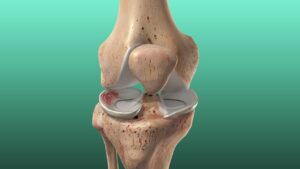
Osteoarthritis is a degenerative joint condition that develops when cartilage cushioning between bones gradually breaks down over time. This condition is often associated with aging, repetitive joint stress, injury history, and body weight factors.
Many patients searching for rheumatoid arthritis vs osteoarthritis joints are trying to understand mechanical joint wear versus inflammatory joint disease.
Pain from osteoarthritis usually develops slowly and may worsen with movement or physical activity. Early on, rest can help with symptoms.
Hands with osteoarthritis vs. rheumatoid arthritis
Hand joint involvement is prevalent in both conditions but appears differently.
In osteoarthritis, compared to rheumatoid arthritis, osteoarthritis frequently results in osseous hypertrophy next to finger joints. It’s usual to feel pain when you move, and swelling is usually minor.
What is rheumatoid arthritis?
- Rheumatoid arthritis is an autoimmune disease where the body’s immune system mistakenly attacks joint tissues.
- Unlike osteoarthritis, which is primarily degenerative, rheumatoid arthritis involves chronic inflammation.
- Patients researching finger rheumatoid arthritis vs. osteoarthritis often notice that rheumatoid arthritis causes symmetrical joint swelling, tenderness, and warmth.
- If untreated, rheumatoid arthritis may lead to joint deformity and systemic health complications.
Symptoms Comparison: Osteoarthritis vs Rheumatoid Arthritis
- Osteoarthritis Symptoms
- Joint pain that worsens with movement
- Mild morning stiffness
- Grinding sensation in joints
- Localized joint discomfort
- Reduced flexibility
- Rheumatoid Arthritis Symptoms
- Persistent inflammation
- Longer morning stiffness
- Joint swelling and redness
- Symmetrical joint involvement
- Fatigue and weakness
When comparing osteoarthritis vs. rheumatoid arthritis, morning stiffness in rheumatoid arthritis usually lasts longer than osteoarthritis stiffness.
Joint Pattern Differences
The distribution of joint involvement helps physicians differentiate conditions.
Osteoarthritis vs Rheumatoid Arthritis Joints
Osteoarthritis commonly affects the following:
- Knees
- Hips
- Spine
- Hand joints
Rheumatoid arthritis frequently affects:
- Wrists
- Fingers
- Smaller symmetrical joints
Arthritis vs Normal Joint Pain
Many patients search for arthritis or normal joint pain to understand their symptoms better.
After working out or stressing a little, you could have normal joint stiffness that gets better with rest. Arthritis discomfort is usually long-lasting and may get worse over time. Swelling, stiffness, or issues doing everyday tasks are all warning signs.
Treatment Approaches
- Osteoarthritis vs. Rheumatoid Arthritis Treatment.
- Treatment depends on disease type and severity.
Osteoarthritis treatment options may include the following:
- Physical therapy
- Weight management
- Anti-inflammatory medications
- Joint injections
- Minimally invasive orthopedic procedures
Rheumatoid arthritis treatment focuses on controlling immune system activity and reducing inflammation through disease-modifying medications.
At Arthritis Orthopedics Treatment NYC, treatment plans are customized according to the patient’s lifestyle and disease progression.
When Should You See a Doctor?
You should consult an orthopedic specialist if you experience:
- Joint pain lasting more than several weeks
- Increasing stiffness or swelling
- Difficulty walking or using hands
- Nighttime joint discomfort
- Loss of joint function
Patients in Jamaica, NY; Englewood, NJ; and Clifton, NJ, trust Sean Thompson, MD, for accurate diagnosis and advanced joint care.
Advanced Orthopedic Care in NYC
Early evaluation is important for managing osteoarthritis vs. rheumatoid arthritis symptoms before severe joint damage develops. Modern orthopedic medicine provides both non-surgical and surgical treatment options. Sean Thompson, MD, focuses on patient-centered treatment strategies aimed at improving mobility, reducing pain, and preserving joint function.
Locations We Serve
Take Control of Your Joint Health
- Understanding the difference between rheumatoid arthritis and osteoarthritis is the first step toward effective treatment.
- If joint pain is affecting your daily life, schedule an orthopedic evaluation to explore personalized treatment options.
Conclusion
It is important to know the difference between rheumatoid arthritis and osteoarthritis for the purpose of getting the right therapy and keeping your joints healthy in the long term. Osteoarthritis is caused by cartilage wear, while rheumatoid arthritis is caused by inflammation caused by the body’s own immune system. If your joints hurt or are stiff all the time, see a doctor. Dr. Sean Thompson offers customized arthritis orthopedic treatment in NYC to help patients regain their ability to move and live better lives.
CTA Button
Book Your Arthritis Consultation with Sean Thompson, MD
FAQ
1. Could your symptoms be rheumatoid arthritis instead of osteoarthritis?
Persistent joint pain, swelling, and long morning stiffness may suggest rheumatoid arthritis rather than osteoarthritis. An evaluation can confirm the cause.
2. Which condition is more serious: osteoarthritis or rheumatoid arthritis?
Rheumatoid arthritis is often more serious due to autoimmune inflammation, but both conditions can cause joint damage without proper treatment.
3. What food to avoid with osteoarthritis?
Limit processed foods, sugary drinks, fried items, and refined carbs, as they may increase inflammation and worsen osteoarthritis symptoms.
4. Which stage of osteoarthritis causes the most pain?
The most painful stage of osteoarthritis is usually the advanced stage, when cartilage is almost completely worn away. This leads to bone-on-bone friction, causing persistent pain, swelling, stiffness, and reduced joint movement. Discomfort may occur during activity and even at rest, significantly affecting daily function and overall quality of life.
5. What type of doctor treats osteoarthritis?
Osteoarthritis is typically treated by an orthopedic doctor who specializes in joint conditions. They diagnose the problem and provide treatment options such as medications, physical therapy, injections, or surgery if needed. Primary care doctors may also help manage early symptoms.