Hip pain can take over your life without you even realizing it. Walking, bending, or even sleeping might be painful, which makes it hard to be independent and enjoy life. Hip replacement surgery can change a person’s life for the better if they have chronic hip discomfort from arthritis, an injury, or joint degeneration. Based on the advice of orthopedic experts, this guide tells patients everything they need to know, from the first signs of trouble until the end of their rehabilitation.
Patients who see a skilled orthopedic surgeon for hip Englewood, like Sean Thomson, MD, may anticipate cutting-edge surgical methods, individualized treatment regimens, and full postoperative care. If you’re looking into hip replacement in Englewood, NJ, Clifton, NJ, or Jamaica, NY, knowing how the process works will help you make smart health care choices.
What is the surgery to replace a hip?
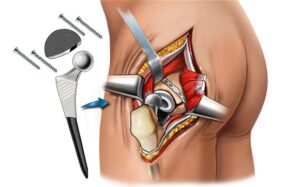
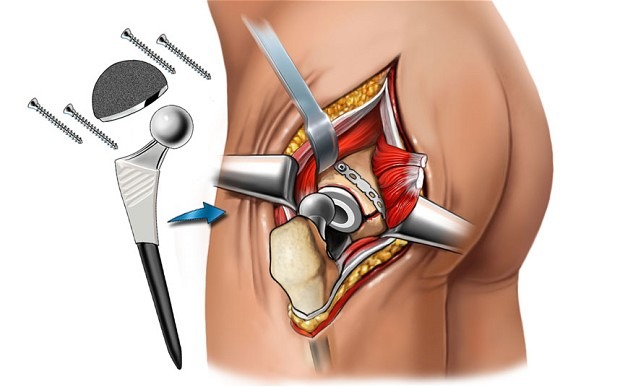
In hip replacement surgery, a damaged hip joint is taken out and replaced with artificial parts (prosthetics). These parts work like a real joint, making mobility easier and reducing pain by a lot.
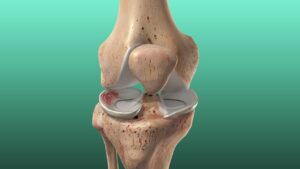
The hip joint is a joint with a ball and a socket. Arthritis or an injury can wear down cartilage, which makes bones grind against each other. This causes pain, stiffness, and swelling. Hip replacement restores joint function by putting new, strong materials like metal, ceramic, or high-grade plastic in place of the worn-out surfaces.
People who want to see a reliable hip replacement specialist in New York generally select this procedure when other treatments don’t work anymore.
Common Reasons Why People Need Hip Replacement
When pain and stiffness make it hard to do everyday things and non-surgical treatments don’t work, hip replacement is usually the best option. Some common conditions are:
Osteoarthritis
The most prevalent cause for getting a new hip is. It breaks down cartilage, which causes long-term pain and less movement.
Arthritis Rheumatoid
An autoimmune disorder that harms the lining of joints, causing inflammation and damage to the joints.
Necrosis of the blood vessels
This happens when the blood flow to the hip bone is cut off, which causes the bone tissue to die and fall apart.
Fractures or injuries to the hip
Severe injuries, especially in elderly persons, may necessitate hip replacement to let them move about again.
Congenital or Structural Hip Disorders
Conditions that are present at birth can get worse with time and hurt the joints. Patients looking for Hip Replacement Clifton or Hip Replacement Englewood NJ typically say that they have been in pain for years before surgery becomes the best choice.
Signs that you might need hip replacement surgery
If you have any of the following, hip replacement might help you:
- Pain in the hip or groin that doesn’t go away
- Hard to walk or go up stairs
- Stiffness that makes it hard to move
- Pain that keeps you from sleeping
- Less effective reaction to drugs, injections, or physical therapy
- A competent orthopedic surgeon can tell you if surgery is the right choice for hip Englewood.
Why should you hire an orthopedic surgeon with experience?
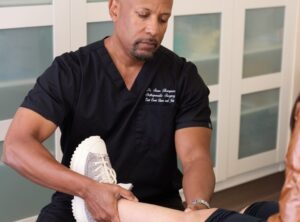
The success of a hip replacement depends a lot on how skilled the surgeon is. Dr. Sean Thomson is known for giving orthopedic care that puts the patient first and using current methods that emphasize safety, accuracy, and speedier recovery.
Working with a reliable hip replacement doctor in New York guarantees:
- Correct diagnosis
- When it’s appropriate, minimally invasive options
- Less risk during surgery
- Plans for recovery that are tailored to each person
- Patients in Englewood, NJ, Clifton, and Jamaica, NY, all get the same high level of orthopedic care.
Different Kinds of Hip Replacement Surgeries
- Total Hip Replacement
- The ball (femoral head) and the socket (acetabulum) are both changed. This is the most usual and effective method.
- Partial hip replacement
- Only the femoral head is replaced; this is typically done for specific types of fractures.
- Hip Replacement with Minimal Invasion
- Makes smaller cuts and uses specific equipment to protect muscles and speed up healing.
Based on your age, degree of exercise, and joint condition, your surgeon will suggest the best option.
What to Expect Before the Operation
Getting ready is the most important part of getting a good result. Before getting a hip replacement, most patients go through:
- A physical exam and imaging tests like X-rays or MRIs
- Medical clearance and blood tests
- Checking over medications
- Education in physical therapy before surgery
Patients in Englewood, NJ, or Clifton, NJ, who are planning hip replacement surgery get specific instructions to make sure everything goes smoothly.
The Steps for Hip Replacement Surgery
Most of the time, hip replacement surgery takes one to two hours. During the process:
- Removing damaged bone and cartilage
- The fake socket goes in
- The new ball part goes in
- The joint is checked to see if it is stable and can move.
Surgeons like Sean Thomson, MD, use advanced methods to make surgery more accurate and improve long-term results.
Getting better after a hip replacement
You can start to feel better right away. Most patients can stand or walk within a day of surgery.
- The first four weeks of recovery
- Pain and swelling slowly go down
- Start of physical treatment
- You can utilize walking aids for a short while.
- Middle of Recovery (Weeks 4–8)
- More strength and movement
- Less need for assistive devices
- Better daily function
- Long-Term Recovery (3 to 6 Months)
- Go back to doing usual things
- Better quality of life
Pain alleviation that lasts a long time
Patients who have hip or knee replacement surgery in Jamaica, NY, Englewood, NJ, or Clifton follow the same recovery steps with the help of professionals.
- Advantages of Hip Replacement Surgery
- There are many long-term benefits to hip replacement, such as:
- A lot of pain relief
- Better joint function
- More freedom of movement
- Better sleep quality
- More independence
- Long-lasting results (implants can last 15 to 20 years)
For a lot of patients, working with a good hip replacement specialist in New York brings back their confidence and activity levels that they believed were lost.
After a Hip Replacement
Most patients go back to doing things like swimming, walking, biking, and light exercise. There may be limits on high-impact activities, but overall function gets a lot better.
Patients often say:
- Less dependence on painkillers
- Better balance and posture
- Better mental health
- Modern hip implants are quite durable and comfortable if you take care of them.
Where We Are Proud to Serve
We offer the same high-quality orthopedic care at many sites so that everyone may get it. These include:
Take the First Step Toward Moving Without Pain
You don’t have to live with hip discomfort. If you want to get a hip replacement in Englewood, NJ, Clifton, NJ, or New York, you can find a good specialist who specializes in hip replacement.
Talking to someone early on gives you a chance to learn about your disease, look into treatment choices, and take back control of your movement and way of life.
Make an appointment for your hip replacement consultation today.
Conclusion
When other therapies don’t work anymore, hip replacement surgery is a proven and successful way to get rid of chronic hip discomfort and get your mobility back. Patients can expect modern treatment choices, specific surgical planning, and a seamless recovery process when they see an experienced orthopedic surgeon for hip Englewood like Sean Thomson, MD. This will guarantee that you get good treatment and results that last. Taking the first step toward treatment might help you feel better, gain confidence, and get back to living an active life.
FAQ
1. When should I think about getting a hip replacement?
If you have chronic hip discomfort that makes it hard to accomplish everyday things, keeps you from sleeping, and doesn’t get better with medicine, injections, or physical therapy, you should have hip replacement surgery. People who are thinking about getting hip replacement surgery in Englewood, NJ, or Clifton often do so after other treatments have failed to help.
2. How do I pick the best orthopedic surgeon for my hip replacement?
For good results, it’s important to find an expert orthopedic surgeon for hip Englewood. Find a surgeon who is skilled in hip replacement surgery, new surgical methods, and making tailored programs for recovery. Dr. Sean Thomson is known for giving full orthopedic care that focuses on keeping joints healthy for a long time.
3. How long does it take to get better after hip replacement surgery?
Most people may walk again within a day of surgery and get back to their normal activities within four to six weeks. It usually takes 3 to 6 months to fully recover, depending on how healthy you are and how well you are doing in rehab. Patients who see a trusted hip replacement doctor in New York follow systematic recovery strategies to get the best results.
4. Do you do hip replacements in places other than Englewood, NJ?
Yes, you can get the same skilled orthopedic care at more than one location. We also provide hip replacements in Clifton, NJ, and Jamaica, NY, as well as hip and knee replacements. This means that patients can always get the same high-quality care, no matter where they go.
5. How long do hip replacement implants stay in place?
With the right care, modern hip replacement implants should last 15 to 20 years or longer. Patients who see knowledgeable doctors like Sean Thomson, MD, benefit from sophisticated implant materials and precise surgery that help them stay mobile and strong for a long time.