

It’s common for joints to hurt, but you shouldn’t disregard symptoms that last for a long time. Many people miss the first signs of arthritis because they think the pain will go away or is just a normal part of getting older. But seeing signs early can help stop joint damage from getting worse and let treatment start sooner.
Arthritis can affect different joints throughout the body and may gradually interfere with daily activities. Understanding the warning signs helps patients take action before the condition progresses.
Common Early Signs of Arthritis
Recognizing the signs of arthritis early might have a big effect on how well treatment works. There are a few early signs that show up before an issue gets worse, but they can be different for everyone.
Persistent Joint Stiffness
One of the most noticeable early arthritis symptoms in joints is stiffness, especially after periods of inactivity. Many people feel stiffness in the morning or after sitting for long periods.
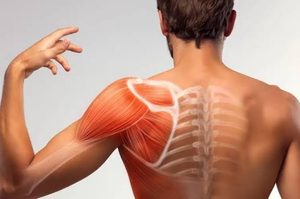
This stiffness may take time to improve after movement and can affect joints such as the knees, hips, hands, or shoulders.
Mild but Recurring Joint Pain
When you get pain in the same joint a lot, it may be a sign of arthritis. The pain may start out as a little pain, but it gets worse as you move about.
People experiencing early arthritis often report pain when walking, climbing stairs, or performing repetitive movements.
Swelling Around the Joint
Swelling is a common arthritis warning sign that may appear even in the early stages. The affected joint may appear slightly enlarged, warm, or tender.
Inflammation around the joint can limit movement and make certain activities uncomfortable.
Reduced Joint Flexibility
Arthritis can gradually reduce the range of motion in affected joints. Tasks that once felt easy, such as bending the knee, gripping objects, or lifting the arm, may begin to feel more difficult.
Limited flexibility is often one of the first indications that the joint structure may be changing.
Joint Weakness or Instability
Some patients comment that their joints feel weaker or less stable while they move. The joint may feel like it can’t fully support your weight or may feel unstable while you do certain activities.
Those with knee arthritis in New Jersey frequently state that they have this symptom, especially as they walk or stand for an extended period of time.
Risk Factors That Increase Arthritis Development
While arthritis can affect anyone, certain factors may increase the risk of developing the condition.
Common risk factors include:
- Aging and natural cartilage wear
- Previous joint injuries
- Repetitive stress on joints
- Excess body weight
- Family history of joint conditions
Patients experiencing persistent symptoms often seek help from an arthritis pain doctor NJ to evaluate their joint health and recommend appropriate care.
When Early Arthritis Requires Specialist Care
You must see an orthopedic doctor if the signs continue for more than a few weeks or get worse over time. Visiting a doctor early on can help retain your joints in good condition and make it easier for you to move around in the future. An arthritis specialist in Clifton, NJ, checks how well the joints are working, determines what’s leading to the symptoms, and chooses the best ways to treat them.
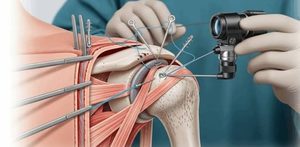
In advanced cases where joint damage becomes severe, consultation with an arthritis joint surgeon may be necessary to discuss surgical solutions.
Understanding the Difference Between Arthritis and Joint Pain
A lot of people think that minor joint pain is a sign of arthritis. Recognizing how the symptoms are separated, how long the pain lasts, and whether or not there is swelling can help you determine when you need to visit a doctor.
For a detailed explanation, read our guide on the difference between arthritis and joint pain.
This resource explains how orthopedic specialists evaluate joint pain and determine whether arthritis may be the underlying cause.
Conclusion
Patients can get treatment for arthritis before it triggers a lot of pain in their joints if they know what to look for. You should never overlook symptoms like constant stiffness, swelling, pain that comes and goes, and trouble moving.
Patients can look into medical options that lower pain, improve joint function, and let them stay active if they see a doctor early on. Many people with arthritis may manage it well with the right care and advice, and they can still enjoy their daily lives.
Take the First Step Toward Joint Pain Relief
If you see the first signs of arthritis, obtaining the appropriate diagnosis early will help keep the bones functioning properly and stop damage from getting worse. Patients who have joint discomfort, stiffness, or difficulties moving can get expert orthopedic evaluations along with personalized treatment from Sean Thompson, MD.
Our team is the trusted choice for arthritis care and advanced orthopedic treatments for patients in Jamaica, NY; Englewood, NJ, and New York City, NY
CTA Button
Schedule Your Arthritis Consultation Today
Frequently Asked Questions
1. What are the first warning signs of arthritis?
The earliest warning signs often include joint stiffness, mild pain during movement, swelling, and reduced flexibility in affected joints.
2. Which joints are most commonly affected by arthritis?
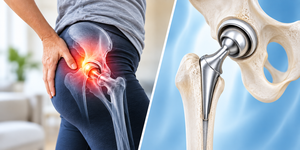
Arthritis frequently affects weight-bearing joints such as the knees and hips, but it can also affect the hands, shoulders, and spine.
3. Can arthritis symptoms appear gradually?
Yes. In many cases, arthritis develops slowly over time. Symptoms may begin as mild stiffness or occasional pain before becoming more noticeable.
4. Is joint stiffness always a sign of arthritis?
Not always. Joint stiffness can occur due to muscle strain or overuse, but persistent stiffness lasting several weeks should be evaluated by a medical professional.
5. When should I see a doctor for arthritis symptoms?
If you suffer from joint pain, swelling, or stiffness that lasts longer than two to three weeks or begins to get in the way of daily activities, you need to see a doctor.