It’s impossible to overlook how bone and joint pain can change your daily life. If you have a dull aching in your knees, stiffness in your back, or severe pain in your shoulders, these symptoms may be signs of problems that need medical care. It’s important to know the indicators that you require general orthopedic care so that you may get a diagnosis early, get the right treatment, and stay mobile for a long time.
General orthopedics focuses on diagnosing and managing a wide range of musculoskeletal issues, including general orthopedic conditions, injuries, and degenerative diseases. Knowing when to see an orthopedic doctor can help prevent minor problems from becoming serious health concerns.
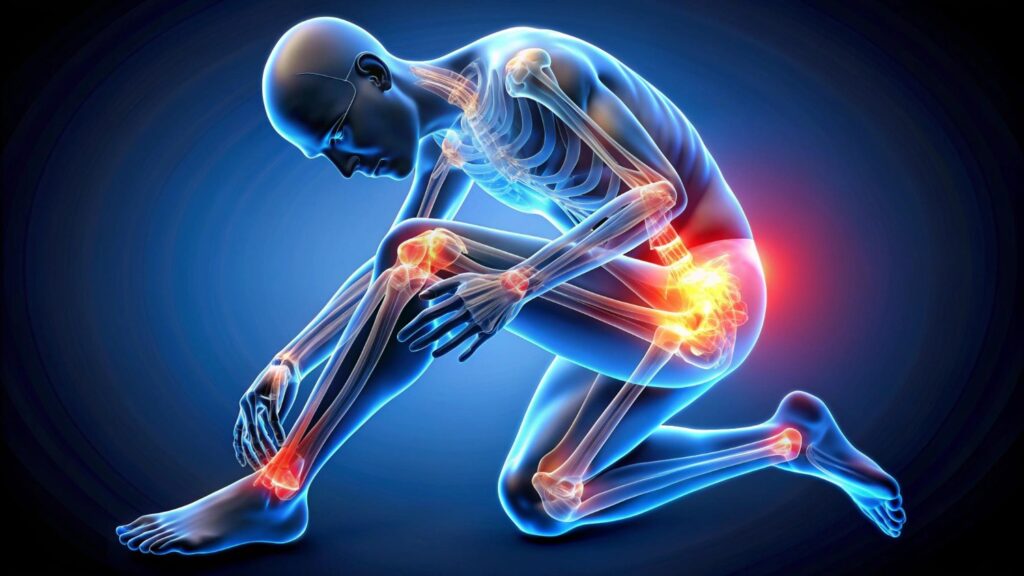
Understanding Bone and Joint Pain Causes
Before recognizing when to seek care, it’s important to understand the most common bone and joint pain causes. Pain can result from injuries, wear and tear, inflammation, or underlying medical conditions.
Some of the most common causes include:
- Arthritis (osteoarthritis and rheumatoid arthritis)
- Muscle strains and ligament sprains
- Fractures and trauma injuries
- Tendonitis and bursitis
- Degenerative disc disease
- Poor posture and repetitive stress
These issues fall under common orthopedic conditions and can worsen over time if left untreated.
The most important signs that you need general orthopedic care
If you know what to look for, you can get treatment sooner. Here are some important signs that you might need to see a bone and joint specialist.
1. Pain that doesn’t go away
It’s not natural to be in pain for longer than a few weeks. If over-the-counter drugs or rest don’t help, it could mean that there are orthopedic problems that need to be treated.
Chronic pain in joints, muscles, or bones is one of the most common reasons people seek general orthopedics NY services.
2. Limited Range of Motion
If you have trouble moving your joints freely, such as bending your knee, turning your shoulder, or turning your neck, it could mean that your joints are hurt or inflamed.
Common orthopedic problems, including arthritis or joint degeneration, may cause limited movement.
3. Swelling, Stiffness, or Inflammation
Swelling and stiffness, especially in the morning or after sitting still for a long time, are unmistakable symptoms that something is wrong. These signs could mean that arthritis or an accident has created inflammation.
Seeking early treatment for joint pain and injuries can prevent long-term damage.
4. Trouble with daily tasks
It’s time to think about getting professional help if ordinary things like walking, climbing stairs, lifting things, or even sitting down hurt.
If you have joint discomfort, an orthopedic doctor can look at your situation and suggest the best ways to treat it.
5. Pain in the back or neck that doesn’t go away
One of the main reasons people go to the orthopedic doctor for back pain is that they have chronic back or neck pain. Conditions, including ruptured discs, spinal stenosis, or muscle strain, could be to blame.
If you don’t pay attention to these signs, you could injure your nerves or have trouble moving.
6. Feeling numb or tingly
Nerve compression could be the cause of numbness, tingling, or weakness in your arms or legs. This is something that happens a lot with general orthopedic problems that have to do with the spine.
Immediate evaluation is crucial to avert exacerbation of symptoms.
7. Injuries that don’t heal right
If you have a sprain, fracture, or sports injury that doesn’t heal in the time you expect it to, you should see a professional.
If you put off getting care, you could end up with long-term problems and persistent pain.
8. Joints that aren’t stable
If your joints feel weak or unstable when you move them, it could mean that the ligaments are damaged or the joints are weak.
This is a common reason why people go to a bone and joint expert for the right diagnosis and treatment.
Common orthopedic problems that are treated
General orthopedics deals with a lot of different problems that affect the musculoskeletal system. Some of the most common orthopedic problems that doctors address are:
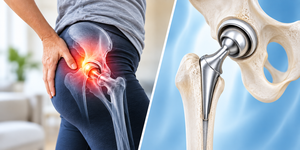
- Rheumatoid arthritis and osteoarthritis
- Herniated discs and problems with the spine
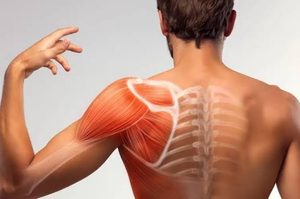
- Injuries from sports, like ACL tears and rotator cuff injuries
- Broken bones and dislocated joints
- Injuries to tendons and ligaments
- Syndrome of the carpal tunnel
Each of these problems necessitates a tailored approach to orthopedic disorders and therapies.
When to Go to an Orthopedic Doctor
Knowing when to see an orthopedic doctor can make a big difference in how well you heal. You should see a doctor if
- Pain lasts more than 2 to 3 weeks
- Over time, the symptoms get worse.
- You have swelling, redness, or warmth.
- There is a lack of function or movement.
- You find it hard to do everyday things.
- Pain makes it hard to sleep or enjoy life.
Early diagnosis leads to better treatment alternatives that are less invasive.
General Orthopedics Treatment Choices
General orthopedics looks at both surgical and non-surgical options, depending on how bad the problem is.
- Treatments that don’t involve surgery
- Therapy for the body
- Drugs that reduce inflammation
- Injections into the joints
- Changes to your way of life
- Support and bracing tools
These are generally the first things people try when they have joint pain or injury.
Treatments with surgery
If conservative treatments don’t work, surgery might be suggested. Some choices are:
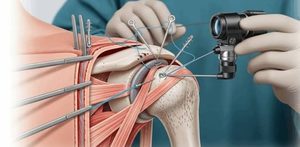
Arthroscopy (a surgical procedure that doesn’t require a lot of cutting)
- Replacement of a joint
- Surgery on the spine
- Reconstruction of ligaments
Modern methods try to speed up recuperation and get better results.
Why it’s important to get orthopedic care early
If you wait too long to get treatment, your symptoms may become worse, you may get irreversible damage, and your quality of life may go down. Getting joint pain treated quickly by a trained orthopedic expert ensures that:
- A correct diagnosis
- Plans for treatment that are unique to each person
- Quicker healing
- Stopping long-term problems from happening
Patients who need general orthopedics NY services benefit from getting help early and getting care from experts.
How to Pick the Right Orthopedic Doctor
Choosing the correct specialist is very important for getting good care. Think about these things:
- Experience treating your exact ailment
- Training and certification by the board
- Availability of more advanced treatment alternatives
- Reputation and reviews from patients
A bone and joint specialist you can trust will help you with diagnosis, treatment, and recovery.
The First Step to Living Without Pain
Don’t let pain in your bones or joints run your life. If you’re in pain all the time, can’t move about easily, or have symptoms of a serious illness, you need to visit a doctor. Sean Thompson, MD, provides advanced diagnoses and individualized treatments for a wide range of orthopedic problems, so you can return to doing the things you love.
We’re here to help you every step of the way, whether you need an orthopedic doctor for joint pain, expert care for joint pain and injuries, or advice from a reputable bone and joint specialist.
Locations that are easy to go to
We are delighted to serve patients from:
Jamaica, New York, Englewood, New Jersey, Clifton, New Jersey
Now is the moment to act if you’ve been looking for general orthopedics in New York or wondering what the indicators are that you need an orthopedic expert.
Book an appointment for your consultation today and start the process toward lasting relief, improved mobility, and a better life.
Conclusion
You should never overlook pain in your bones and joints, especially if it makes it hard for you to do things you do every day. If you know the symptoms that require general orthopedic care, you can get help early and avoid catastrophic problems.
Getting timely care is important since it leads to better outcomes. This includes learning about the causes of bone and joint pain and looking into orthopedic diseases and treatments. If you have pain that won’t go away, trouble moving, or other symptoms, it might be time to see a professional and start getting better.
FAQ
1. What are the most common orthopedic conditions?
Common orthopedic conditions include arthritis, fractures, ligament injuries, herniated discs, and tendonitis. These conditions affect bones, joints, and muscles.
2. When should I see an orthopedic doctor?
You should see an orthopedic doctor if pain lasts more than a few weeks, worsens over time, or affects your daily activities and mobility.
3. What treatments are available for joint pain?
Treatment options include physical therapy, medications, injections, and in some cases, surgery, depending on the severity of the condition.
4. Can orthopedic problems be treated without surgery?
Yes, many conditions can be managed with non-surgical treatments such as therapy, medications, and lifestyle changes.
5. What causes chronic back pain?
Chronic back pain can be caused by poor posture, herniated discs, arthritis, or muscle strain. Proper diagnosis is essential for effective treatment.
6. How do I know if my injury is serious?
If your injury causes severe pain, swelling, or limited movement or does not improve within a few weeks, you should consult a specialist.