Introduction
Persistent knee pain can make everyday activities from climbing stairs to enjoying your favorite sport difficult. While many knee problems improve with rest, physical therapy, or medication, some conditions require a closer look inside the joint. That’s where knee arthroscopy comes in.
Using a tiny camera called an arthroscope, orthopedic surgeons can examine the inside of the knee through small incisions and treat many common conditions without traditional open surgery. This minimally invasive approach often results in less pain, smaller scars, and a faster initial recovery for appropriately selected patients.
Whether you’ve been told you may need surgery or you’re searching for knee arthroscopy near me, understanding the procedure can help you make informed decisions about your treatment.
What Is Knee Arthroscopy?
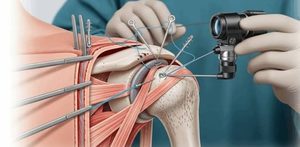
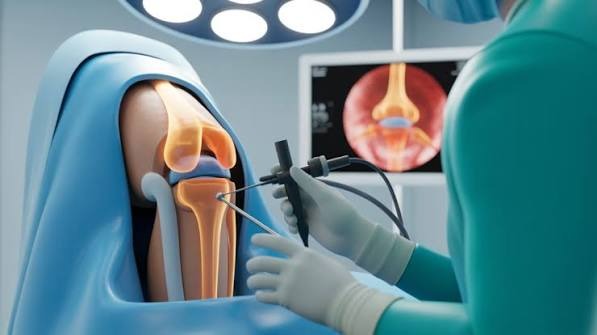
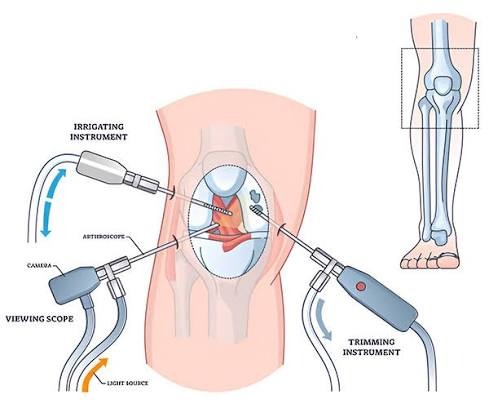
Knee arthroscopy is a surgical technique that allows an orthopedic surgeon to see inside the knee joint using a pencil-sized camera attached to an arthroscope. Images from the camera are displayed on a monitor, giving the surgeon a magnified view of cartilage, ligaments, tendons, and other structures.
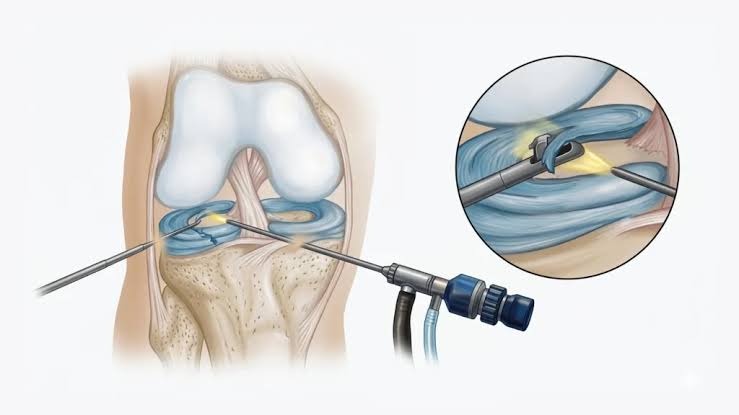
If treatment is needed, specialized instruments are inserted through additional small incisions to repair or remove damaged tissue.
Unlike traditional open surgery, knee arthroscopy generally requires only a few tiny incisions rather than one large incision.
Common goals include:
- Diagnosing unexplained knee pain
- Repairing torn cartilage
- Removing loose fragments
- Smoothing damaged cartilage
- Treating inflammation inside the knee
- Repairing certain ligament injuries
What Conditions Can Knee Arthroscopy Treat?
Knee arthroscopy is used to diagnose and treat a wide range of knee conditions.
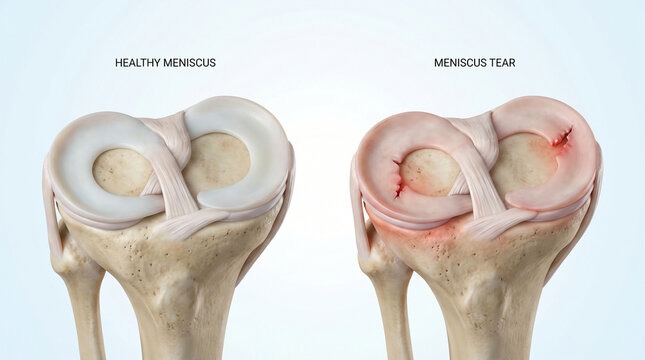
Meniscus Tears
The meniscus acts as a cushion between the thighbone and shinbone. A torn meniscus may cause:
- Pain
- Swelling
- Knee locking
- Clicking sensations
Depending on the tear, your surgeon may trim or repair the damaged cartilage.
Cartilage Damage
Healthy cartilage allows smooth joint movement.
When cartilage becomes rough or damaged, patients may experience the following:
- Grinding
- Pain
- Swelling
- Reduced mobility
One treatment option is arthroscopic chondroplasty, where damaged cartilage is carefully smoothed to improve joint function.
Loose Bodies
Small fragments of bone or cartilage can float within the knee joint.
These loose bodies may cause the following:
- Catching
- Locking
- Sudden pain
- Limited movement
Arthroscopy allows surgeons to remove these fragments with minimal disruption.
Synovitis
Inflammation of the joint lining may lead to persistent swelling and discomfort.
Arthroscopy can remove inflamed tissue when conservative treatment has not provided relief.
Certain Ligament Injuries
Although complete ligament reconstruction may require additional procedures, arthroscopy often plays a key role in evaluating and treating ACL and other ligament injuries.
What Is Arthroscopic Chondroplasty?
Arthroscopic chondroplasty is a minimally invasive procedure used to smooth damaged cartilage inside the knee.
Rather than replacing cartilage, the surgeon removes unstable or rough cartilage surfaces to reduce irritation and improve joint movement.
Patients who may benefit include those with:
- Early cartilage wear
- Small cartilage defects
- Knee catching caused by damaged cartilage
- Persistent symptoms despite conservative treatment
Arthroscopic chondroplasty is often performed alongside other arthroscopic procedures, such as meniscus repair or loose body removal.
Signs You May Need Knee Arthroscopy
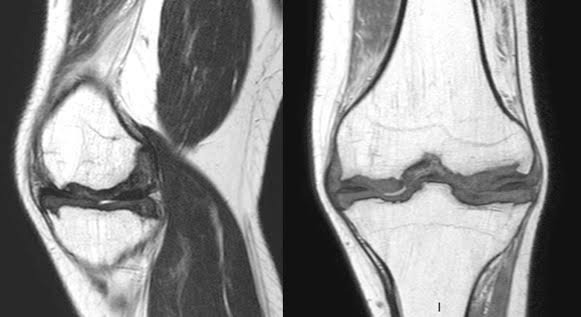
You may benefit from an orthopedic evaluation if you experience:
- Knee pain lasting several weeks
- Swelling that repeatedly returns
- Locking or catching
- Instability
- Difficulty bending or straightening the knee
- Pain that limits work, exercise, or daily activities
Not every patient requires surgery, but persistent symptoms deserve a professional evaluation.
What Happens During Knee Arthroscopy?
Most knee arthroscopy procedures follow these steps:
- Anesthesia is administered.
- Small incisions are made around the knee.
- The arthroscope is inserted.
- Sterile fluid expands the joint for better visualization.
- The surgeon examines the structures inside the knee.
- Specialized instruments repair or remove damaged tissue.
- Small stitches or adhesive strips close the incisions.
Most procedures are completed within an hour, although complex repairs may take longer.
Recovery After Knee Arthroscopy
| Recovery Stage | Typical Expectations |
| First 2–3 Days | Rest the knee, apply ice, use compression, keep the leg elevated, and follow your surgeon’s post-operative instructions. |
| Week 1–2 | Walking becomes easier with reduced discomfort. Swelling gradually improves, and gentle daily activities can often be resumed. |
| Weeks 3–6 | Physical therapy progresses, helping restore knee strength, flexibility, and range of motion while improving overall function. |
| 2–3 Months | Many patients can return to higher-level activities, including sports or recreational exercise, depending on the procedure performed and their individual recovery progress. |
This format is more professional and user-friendly for a medical website. It also improves readability and aligns well with healthcare content best practices.
Risks and Possible Complications
Like all surgeries, knee arthroscopy carries some risks, including:
- Infection
- Blood clots
- Bleeding
- Persistent stiffness
- Nerve irritation
- Continued pain
- Need for additional treatment
Your orthopedic surgeon will discuss your individual risks based on your condition and medical history.
Who Is a Good Candidate?
Knee arthroscopy may be considered if you have:
- Meniscus tears
- Mechanical symptoms such as locking
- Loose cartilage
- Cartilage damage
- Persistent pain despite conservative treatment
- Certain sports-related injuries
A comprehensive examination, imaging studies, and discussion of your goals help determine whether this procedure is appropriate.
Key Takeaways
- Knee arthroscopy is a minimally invasive procedure used to diagnose and treat many knee conditions.
- It can address meniscus tears, loose bodies, cartilage damage, and selected ligament injuries.
- Arthroscopic chondroplasty helps smooth damaged cartilage and improve joint function.
- Most patients go home the same day, but recovery varies depending on the procedure.
- A personalized evaluation is the best way to determine whether knee arthroscopy is appropriate for your condition.
When Should You See an Orthopedic Specialist?
If knee pain, swelling, or instability is preventing you from enjoying daily activities, don’t ignore the symptoms. Early evaluation can help identify the cause and determine whether conservative treatment or knee arthroscopy is the right approach.
If you’re searching for knee orthopedic Queens, schedule a consultation with Sean Thompson, MD, at East Coast Bone & Joint Surgeons. Our experienced orthopedic team provides comprehensive evaluations and personalized treatment plans to help relieve pain, restore mobility, and get you back to the activities you enjoy.
Frequently Asked Questions
Is knee arthroscopy painful?
You will not feel pain during surgery because anesthesia is used. Mild soreness afterward is expected and is usually managed with medication, ice, and rest.
How long does knee arthroscopy take?
Many procedures take between 30 minutes and one hour, depending on the complexity of the condition.
What is arthroscopic chondroplasty?
Arthroscopic chondroplasty smooths damaged cartilage inside the knee to improve movement and reduce symptoms.
Can I walk after knee arthroscopy?
Many patients begin walking with assistance shortly after surgery, although weight-bearing recommendations vary depending on the procedure performed.
How do I find knee arthroscopy near me?
Look for a board-certified orthopedic surgeon with experience in minimally invasive knee procedures. During your consultation, ask about your diagnosis, treatment options, expected recovery, and whether arthroscopy is appropriate for your specific condition.
Medical Disclaimer: This information is for educational purposes only and should not replace professional medical advice, diagnosis, or treatment. Always talk with your doctor, orthopedic specialist, or other qualified healthcare provider before starting, stopping, or changing any treatment or exercise program. If you are experiencing a medical emergency, call 911 or seek immediate medical care.