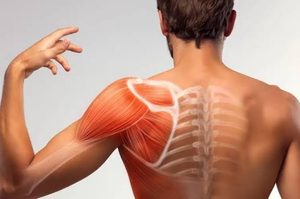
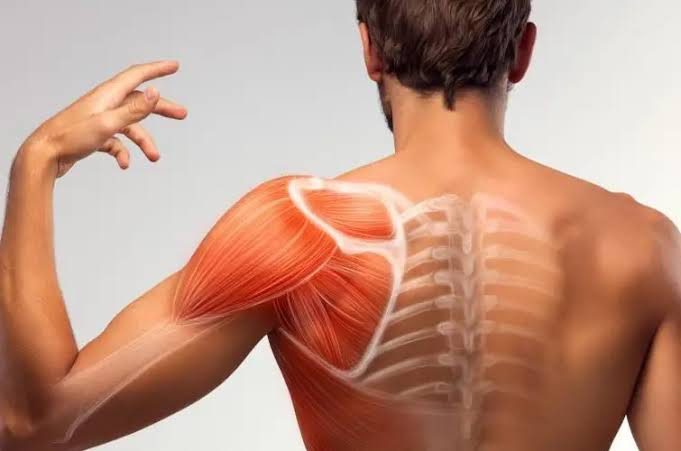
Reaching for a coffee cup shouldn’t hurt. Neither should putting on a jacket, sleeping on your side, or lifting a grocery bag out of the trunk. But if your shoulder has started protesting these ordinary movements with a deep, nagging ache, you may be dealing with one of the most common and most commonly misunderstood causes of shoulder pain: bursitis.
Shoulder bursitis is often mistaken for a rotator cuff injury, arthritis, or “just getting older.” In reality, it’s a specific, treatable condition with its own set of causes and warning signs. This guide breaks down what shoulder bursitis actually is, how it develops, what the most effective treatment of shoulder bursitis in Queens looks like today, and importantly, how to know when it’s time to move from home care to seeing a specialist like orthopedic surgeon Dr. Sean Thompson.
What Is Shoulder Bursitis?

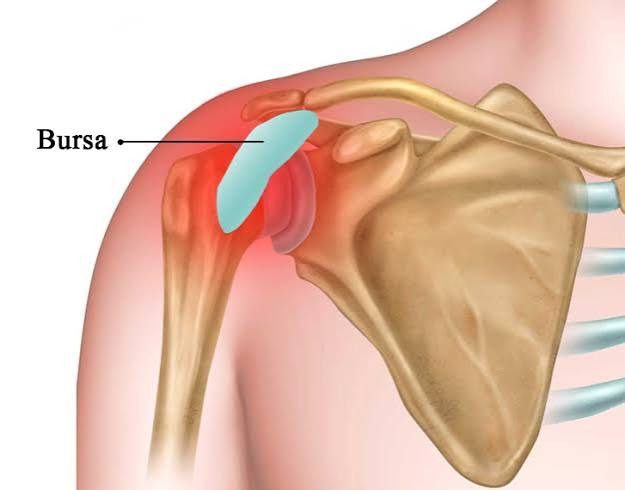
Tucked between your shoulder bones, tendons, and muscles are small, fluid-filled sacs called bursae. Their job is simple but essential: they reduce friction and cushion the joint every time your arm moves. The shoulder’s main bursa, the subacromial bursa, sits just beneath the bony tip of the shoulder blade (the acromion), right above the rotator cuff tendons.
When that bursa becomes irritated or inflamed, the condition is called subacromial bursitis, more commonly known as shoulder bursitis. Instead of gliding smoothly, the inflamed bursa swells and thickens, creating friction with every lift, reach, or rotation of the arm.
It’s a small structure, but when it’s inflamed, it can make an entire shoulder feel unusable.
What Causes Shoulder Bursitis?
Shoulder bursitis rarely comes out of nowhere. It typically develops from one of a few underlying patterns.
1. Repetitive Overhead Motion
Painters, swimmers, tennis players, warehouse workers, and anyone who spends hours reaching overhead put repeated stress on the subacromial bursa. Over time, this repetitive friction leads to inflammation, a classic overuse injury.
2. Shoulder Impingement
Rotator cuff impingement happens when the space beneath the acromion narrows, pinching the rotator cuff tendons and the bursa together with every arm movement. This narrowing is often the direct trigger for bursitis, which is why the two conditions are so frequently discussed together.
3. Direct Trauma or Injury
A fall onto an outstretched arm, a direct blow to the shoulder, or even a sudden, awkward lifting motion can ssxfrij inflame the bursa more quickly than gradual use.
4. Underlying Joint Conditions
Chronic joint pain from conditions like rheumatoid arthritis, gout, or osteoarthritis can also involve bursal inflammation, since these conditions affect the tissues surrounding the joint, not just the joint itself.
5. Poor Posture and Muscle Imbalance
Rounded shoulders and forward head posture are common with desk jobs and phone use, and they subtly change how the shoulder blade moves, increasing friction on the bursa over months or years without a single dramatic incident.
Shoulder Bursitis Symptoms

Recognizing shoulder bursitis symptoms early can make a real difference in how quickly and how conservatively the condition resolves. Common signs include:
- Aching pain on the outer or top part of the shoulder, often worse with overhead reaching
- Pain that worsens at night, particularly when lying on the affected side
- Stiffness, especially first thing in the morning
- Swelling or warmth around the joint in more acute cases
- A pinching or catching sensation when lifting the arm to shoulder height
- Weakness that develops secondary to pain, rather than true muscle damage
Many patients describe the pain as a deep ache rather than a sharp one, which is part of why shoulder bursitis is so often mistaken for general shoulder “wear and tear” instead of a specific, treatable condition.
Shoulder Bursitis vs. Rotator Cuff Injury: What’s the Difference?

Because the subacromial bursa sits directly on top of the rotator cuff tendons, these two conditions frequently overlap, and it’s genuinely difficult to tell them apart without an exam and imaging. A few general patterns can help:
- Bursitis pain tends to be diffuse, achy, and closely tied to specific movements or positions.
- Rotator cuff tears more often involve noticeable weakness and difficulty lifting the arm at all, not just pain when doing so.
- Both conditions can coexist, since chronic impingement that causes bursitis can also gradually wear down the rotator cuff tendons over time.
This overlap is exactly why an accurate diagnosis from an orthopedic shoulder surgeon in NY matters. Treating the wrong structure, or missing a coexisting tear, can leave you stuck with recurring pain long after you thought it was resolved.
How Shoulder Bursitis Is Diagnosed
A proper evaluation typically starts with a hands-on physical exam, testing range of motion, strength, and specific movements that reproduce the pain (special tests like the Neer or Hawkins-Kennedy tests are common). From there, imaging helps confirm the diagnosis and rule out other causes:
- Ultrasound: Excellent for visualizing bursal swelling and fluid in real time
- MRI: Provides a detailed look at the bursa, rotator cuff tendons, and surrounding soft tissue, especially useful if a tear is suspected alongside the bursitis
- X-ray: Doesn’t show the bursa directly but helps rule out bone spurs or arthritis that may be contributing to impingement
Treatment of Shoulder Bursitis in Queens: What Actually Works
The good news is that most cases of shoulder bursitis respond well to conservative treatment, especially when addressed early. A typical treatment plan is layered, starting conservatively and escalating only if needed.
Step 1: Activity Modification and Rest
Reducing or temporarily avoiding the specific overhead motions that aggravate the bursa gives the inflammation a chance to settle before it becomes chronic.
Step 2: Ice and Anti-Inflammatory Medication
Icing the shoulder for 15–20 minutes several times a day, combined with over-the-counter NSAIDs, helps manage pain and reduce swelling in the early, acute phase.
Step 3: Physical Therapy and Shoulder Bursitis Exercises
Targeted shoulder bursitis exercises are often the most important part of long-term recovery. A physical therapist will typically focus on:
- Gentle range-of-motion stretches to prevent stiffness
- Rotator cuff and scapular stabilization strengthening
- Posture correction to reduce impingement over time
This step matters because strengthening the muscles around the joint reduces the friction that caused the bursitis in the first place, addressing the cause, not just the symptom.
Step 4: Corticosteroid Injections
When pain limits participation in physical therapy or persists despite conservative care, a corticosteroid injection directly into the bursa can provide significant, often rapid, relief, creating a window to make real progress with rehab.
Step 5: Surgical Treatment (When Necessary)
Surgery for shoulder bursitis is relatively uncommon and generally reserved for cases that don’t respond to several months of conservative treatment or where there’s a coexisting structural problem like impingement from a bone spur or a rotator cuff tear. When needed, treatment may include:
- Arthroscopic bursectomy—minimally invasive removal of the inflamed bursa
- Subacromial decompression—creating more space for the bursa and tendons to move freely, often performed at the same time
Because shoulder bursitis so often overlaps with impingement or rotator cuff issues, a thorough surgical evaluation looks at the whole joint, not just the bursa in isolation.
When to See a Shoulder Surgeon
Home care and physical therapy resolve the majority of shoulder bursitis cases. It’s time to consult a specialist when:
- Pain persists beyond four to six weeks despite rest and conservative care
- Pain is disrupting sleep on a regular basis
- You notice real weakness, not just pain, when lifting the arm
- Symptoms keep returning after they seem to resolve
- You’re dealing with chronic joint pain that hasn’t been formally evaluated
At that point, a hands-on exam and imaging from a specialist can clarify exactly what’s happening in the joint and whether bursitis is the whole picture or just part of it.
Why Choose an Orthopedic Specialist for Shoulder Bursitis
Not all shoulder pain needs a surgeon, but persistent or recurring pain deserves an expert opinion. Dr. Sean Thompson, orthopedic surgeon, along with the broader team of bone and joint surgeons in New Jersey and NY bone and joint specialists, brings a treatment philosophy built around starting conservatively and escalating only when it’s genuinely warranted, combined with the diagnostic precision to catch overlapping issues like impingement or rotator cuff tears that general treatment might miss.
What to look for in a shoulder specialist:
- Board certification in orthopedic surgery
- Fellowship training in shoulder and sports medicine
- Access to in-office ultrasound and advanced MRI review
- A track record with both non-surgical and minimally invasive surgical treatment
Preventing Shoulder Bursitis From Coming Back
Once resolved, shoulder bursitis has a tendency to recur if the underlying mechanics aren’t addressed. A few habits go a long way:
- Warm up before repetitive overhead activity, whether it’s sports or work-related
- Keep rotator cuff and scapular muscles strong year-round, not just during flare-ups
- Correct forward-shoulder posture, especially with desk or phone-heavy days
- Avoid pushing through shoulder pain; early rest is far more effective than pain management after the fact
Get a Clear Diagnosis and a Real Treatment Plan
Shoulder pain that lingers isn’t something to simply manage around; it’s something to understand. Whether your bursitis responds to a few weeks of physical therapy or needs a more advanced approach, getting the right diagnosis early is what prevents a temporary flare-up from becoming chronic joint pain.
Schedule a consultation with Dr. Sean Thompson, MD, and the orthopedic team today to get an accurate diagnosis and a treatment plan built around your shoulder, not a generic protocol.
Frequently Asked Questions
What is the fastest way to treat shoulder bursitis?
Rest, ice, and anti-inflammatory medication in the first few days, followed by targeted physical therapy, resolve most cases of shoulder bursitis without the need for injections or surgery.
Can shoulder bursitis heal without surgery?
Yes. The vast majority of shoulder bursitis cases improve fully with conservative treatment such as activity modification, physical therapy, and, if needed, a corticosteroid injection.
How long does shoulder bursitis take to heal?
Mild cases often improve within two to four weeks with proper rest and care, while more persistent cases can take several months, particularly if physical therapy is delayed.
Is shoulder bursitis the same as a rotator cuff tear?
No. Bursitis involves inflammation of the fluid-filled sac cushioning the joint, while a rotator cuff tear involves damage to the tendons themselves, though the two conditions frequently occur together.
When should I see a surgeon for shoulder bursitis?
See a specialist if pain persists beyond four to six weeks, disrupts sleep, involves real weakness, or keeps recurring despite conservative treatment.