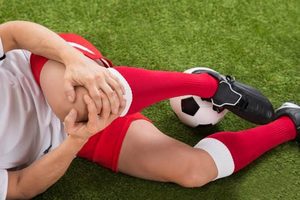
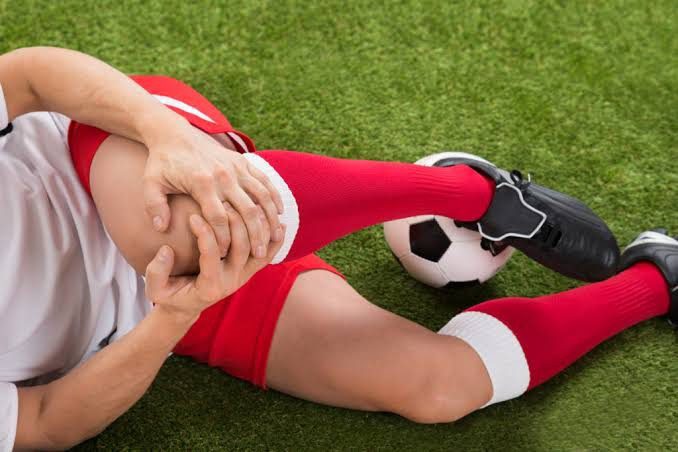
You plant your foot, pivot, and feel a pop in your knee. Within minutes the joint swells, and when you try to stand, it feels like it might give way. For many athletes, that moment points to an anterior cruciate ligament (ACL) tear, and the first thing they do is search for an ACL orthopedist near me.
An ACL injury is serious, but it is also one of the most thoroughly studied problems in sports medicine. With an accurate diagnosis, a treatment plan matched to your goals, and a structured rehab program, most people return to an active life. This guide covers how ACL injuries happen, how they are diagnosed, what your treatment options are, and what a realistic return-to-sport timeline looks like.
What Is the ACL and Why Does It Matter?
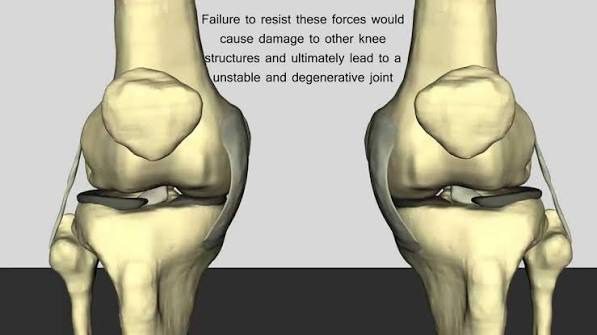
The anterior cruciate ligament is one of four major ligaments stabilizing the knee. It runs diagonally through the center of the joint, connecting the thighbone (femur) to the shinbone (tibia). Its main job is to stop the tibia from sliding too far forward and to control rotation of the knee during cutting, pivoting, and landing.
When the ACL is torn, the knee can become unstable. That instability is why a torn ACL often causes “giving way” episodes and why untreated tears in active people can lead to additional damage to the meniscus and cartilage over time.
Roughly half of ACL injuries happen without contact. Common mechanisms include:
- Sudden deceleration or a change of direction
- Landing awkwardly from a jump with the knee collapsing inward
- Pivoting with the foot planted
- Direct contact, such as a tackle to the outside of the knee
ACL tears are most common in soccer, basketball, football, skiing, lacrosse, and tennis. Female athletes face a higher risk than male athletes in comparable sports, which researchers attribute to differences in anatomy, neuromuscular control, and landing mechanics.
ACL Tear Symptoms: When to See a Specialist
Symptoms often appear quickly. Watch for:
- A “pop” heard or felt at the time of injury
- Rapid swelling, usually within a few hours
- Severe pain that makes it hard to keep playing
- A feeling that the knee is loose or buckling
- Limited range of motion
- Difficulty walking or bearing weight
Not every ACL tear feels dramatic, and some partial tears cause only mild symptoms at first. If your knee swells after a twisting injury or feels unstable, don’t wait it out. Prompt evaluation protects the rest of the joint and shortens the path back to activity.
How Is an ACL Injury Diagnosed?
An accurate diagnosis starts with a hands-on evaluation by a sports medicine or orthopedic specialist. At Dr. Sean Thompson’s practice, the process typically includes the following steps.
1. Medical History and Injury Review
Your doctor will ask how the injury happened, what you felt, and what sport or activity you want to return to. Your goals matter. A competitive soccer player and a recreational walker may be best served by different plans.
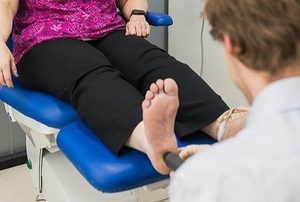
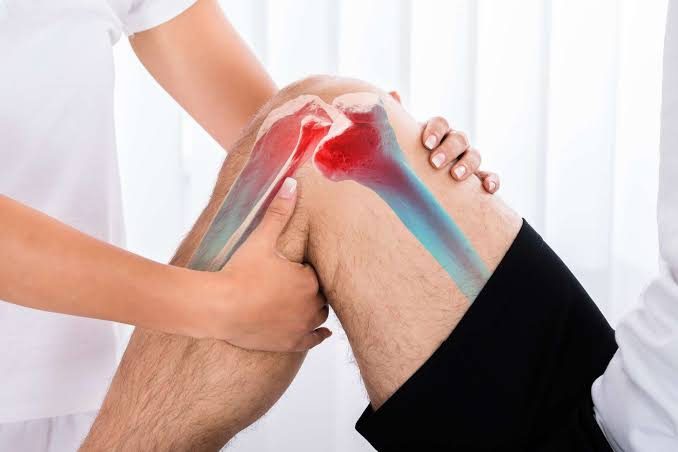
2. Physical Examination
Specialists use several tests to assess ligament stability:
- Lachman test: considered the most reliable clinical test for ACL integrity
- Anterior drawer test: checks forward movement of the tibia
- Pivot shift test: evaluates rotational instability
Your doctor will also look for swelling, tenderness, and signs of associated injuries.
3. Imaging
- X-rays rule out fractures and check bone alignment.
- MRI is the gold standard for confirming an ACL tear. It also reveals meniscus tears, cartilage damage, and bone bruises, which commonly accompany ACL injuries.
Together, these tools show whether the tear is partial or complete and whether other structures were hurt. That information drives the treatment recommendation.
ACL Treatment Options: Surgery vs. Non-Surgical Care
There is no single right answer for every patient. Treatment depends on your age, activity level, knee stability, the presence of other injuries, and your goals.
Non-Surgical Treatment
Non-operative care may be appropriate for:
- Partial tears with a stable knee
- Less active patients
- People whose daily activities and sports don’t involve cutting or pivoting
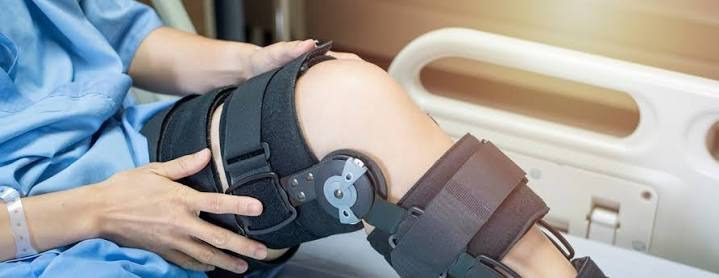
A non-surgical plan usually includes bracing, activity modification, anti-inflammatory strategies, and a structured physical therapy program to strengthen the quadriceps, hamstrings, and hip stabilizers. The goal is to build dynamic stability around the joint.
ACL Reconstruction Surgery
Surgery is often recommended for:
- Active athletes who play cutting or pivoting sports
- Patients with repeated giving-way episodes
- Combined injuries, such as an ACL tear with a meniscus tear or other ligament injury
- Younger patients who want to return to high-level activity
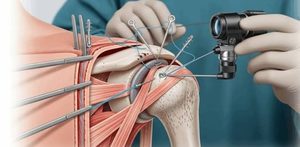
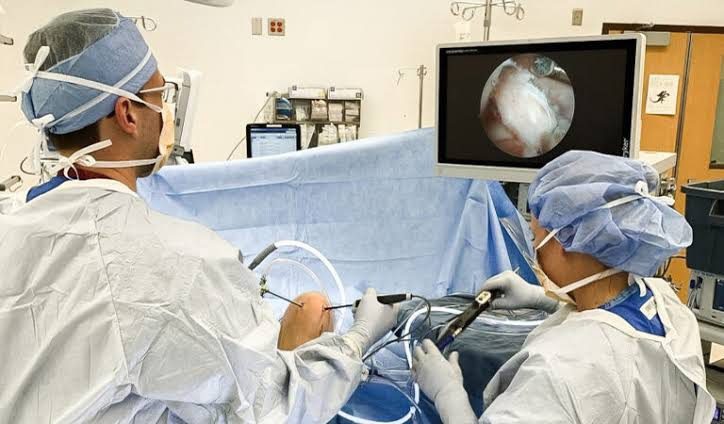
During ACL reconstruction, the surgeon replaces the torn ligament with a graft, using minimally invasive arthroscopic techniques. Common graft options include:
- Patellar tendon autograft: your own tissue, often favored for high-demand athletes
- Hamstring tendon autograft: a common choice with less front-of-knee discomfort
- Quadriceps tendon autograft: increasingly popular for its strength and size
- Allograft: donor tissue, sometimes considered for older or lower-demand patients
The best graft depends on your sport, age, anatomy, and your surgeon’s experience. This is one reason to choose among orthopedic surgeons in New York based on training, volume of ACL cases, and how well they explain your options, not just proximity.
Pre-Surgery Rehab (“Prehab”)
Many people assume rehab begins after surgery. In reality, results are often better when the knee is calmed down first. Prehab aims to:
- Reduce swelling
- Restore full knee extension and range of motion
- Rebuild quadriceps strength
- Prepare mentally for the process
Going into surgery with a quiet, mobile, strong knee usually makes recovery smoother.
ACL Return-to-Sport Timeline
Recovery is built on milestones, not just dates. The ranges below are general guidelines. Your surgeon and physical therapist will tailor them to you.
Phase 1: Protection and Early Motion (Weeks 0–6)
- Control pain and swelling
- Regain full knee extension
- Begin gentle range of motion and quad activation
- Walk with crutches, then progress to full weight bearing as directed
Phase 2: Strength Building (Weeks 6–12)
- Normalize walking
- Progress to stationary cycling, closed-chain strengthening, and balance work
- Build hip, core, and hamstring strength
Phase 3: Advanced Strengthening and Early Running (Months 3–5)
- Begin a graded running program, once cleared
- Add controlled agility and landing mechanics
- Focus on symmetry between the injured and healthy leg
Phase 4: Sport-Specific Training (Months 5–8)
- Introduce cutting, pivoting, and jumping drills
- Practice sport-specific movements
- Complete functional testing
Phase 5: Return to Sport (Typically 9–12 Months or Longer)
Most surgeons recommend waiting at least nine months before returning to cutting or pivoting sports. Research has linked earlier returns to a higher risk of re-injury. Before clearance, you should be able to demonstrate:
- Strength of at least 90% of the uninjured leg (quadriceps and hamstrings)
- Passing scores on hop and jump tests
- Good movement quality, with no knee collapsing inward on landing
- Full range of motion, no swelling, and confidence in the knee
Passing objective criteria matters more than hitting a specific date on the calendar.
Reducing Your Risk of Re-Injury
A prior ACL tear raises the risk of tearing the same graft or the opposite ACL. These steps help:
- Complete the full rehab program, even when you feel fine
- Follow neuromuscular training programs that improve landing and cutting mechanics
- Keep strengthening your glutes, hamstrings, and core
- Don’t rush clearance, especially in your first season back
- Address fatigue and overuse, since tired muscles protect the knee less effectively
How to Choose an ACL Orthopedist Near You
When you search for an ACL orthopedist near me, convenience matters, but it shouldn’t be the only factor. Look for:
- Fellowship training in sports medicine or knee surgery
- Regular experience with ACL reconstruction, including revision cases
- Comprehensive care, from diagnosis through return-to-sport testing
- Clear communication, with straightforward answers about your options
- Coordination with physical therapists and rehab professionals
- Patient reviews and outcomes that reflect reliable follow-through
If you live or work in the city, a sports medicine doctor near NYC gives you access to specialized imaging, rehab networks, and same-week evaluation, which can make a real difference in early care. Many patients also look to bone and joint surgeons in New York for coordinated care when an injury involves more than one structure, such as an ACL tear combined with a meniscus or cartilage problem.
Take the Next Step With Sean Thompson, MD
If you’ve injured your knee or suspect an ACL tear, an expert evaluation is the fastest way to know what you’re dealing with and what to do next. Whether you need a precise diagnosis, a second opinion on surgery, or a clear roadmap back to your sport, Sean Thompson, MD can guide you at every stage.
Schedule your ACL evaluation today. to meet with a sports medicine specialist who will build a plan around your goals.
Frequently Asked Questions
Can an ACL heal on its own?
A complete ACL tear generally cannot heal on its own because the ligament has poor blood supply. Some partial tears do well with rehab, and some patients function without surgery, but a specialist should make that call.
How soon should I see a doctor after an ACL injury?
As soon as possible. Early evaluation identifies other damage, reduces swelling, and gives you time for prehab before any surgery.
Is ACL surgery painful?
Some pain and swelling after surgery are expected, but modern pain management and nerve blocks keep most patients comfortable. Your care team will give you a plan.
How long until I can walk normally after ACL surgery?
Many patients walk without crutches within a few weeks, depending on the procedure and any associated injuries. Normal walking mechanics typically return as strength and range of motion improve.
When can I drive after ACL surgery?
It depends on which leg was operated on, your medications, and your control of the knee. Your surgeon will clear you individually.
Can I return to sports after an ACL tear?
Yes. Many athletes return to their previous level of play after proper treatment and rehab. Success depends on the quality of surgery, commitment to rehab, and meeting objective clearance criteria.