
Not every hip problem requires a hip replacement. If your pain is caused by hip impingement (FAI), a labral tear, loose cartilage, or another condition inside the joint, hip arthroscopy may offer a minimally invasive solution.
Using small incisions and a specialized camera, your orthopedic surgeon can diagnose and treat many hip conditions while preserving healthy tissue. An evaluation by an experienced orthopedic specialist is the best way to determine whether this procedure is appropriate for your condition.
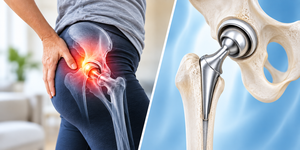
Hip pain affects more than just your movement. It can make everyday activities feel frustrating, whether you’re climbing stairs, getting into your car, or trying to enjoy your favorite workout.
Many people assume persistent hip pain is simply part of getting older. Others continue living with discomfort because they believe surgery is their only option. The reality is often different.
Some hip conditions can be treated with hip arthroscopy, a minimally invasive procedure that repairs damage inside the joint before it leads to more serious problems.
If conservative treatments haven’t provided lasting relief, learning about your options can help you make a more informed decision about your long-term joint health.
Understanding Hip Arthroscopy
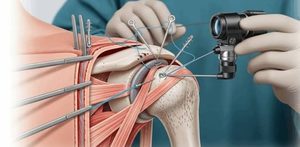
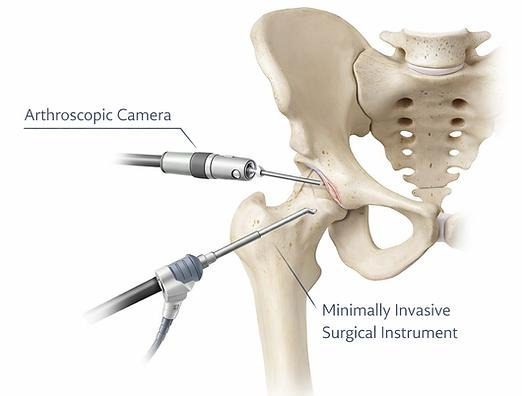
Hip arthroscopy is a surgical procedure that allows an orthopedic surgeon to see inside the hip joint using a tiny camera called an arthroscope.
Instead of making a large incision, the procedure is performed through a few small openings. The camera provides a detailed view of the cartilage, labrum, ligaments, and bones inside the joint.
Specialized instruments are then used to repair damaged tissue, reshape bone, or remove loose fragments without exposing the entire hip.
Because the surrounding muscles remain largely undisturbed, patients often experience less discomfort and a smoother recovery compared with traditional open procedures.
Why Is Hip Arthroscopy Different?
The goal isn’t simply to reduce pain.
The procedure is designed to correct the underlying problem causing your symptoms. Treating the source of the pain may help improve movement while protecting the natural hip joint.
Some of the advantages include:
- Smaller surgical incisions
- Less disruption to healthy tissue
- Better visualization of the hip joint
- Faster rehabilitation for many patients
- Earlier return to everyday activities
Not everyone with hip pain needs arthroscopy, but for the right patient, it can be an effective joint-preserving treatment.
Why Doesn’t Hip Pain Go Away?
Hip pain can develop for many reasons.
Sometimes it’s caused by muscle strain or overuse and improves with rest. However, pain that continues for weeks or months may indicate damage inside the joint.
Each time the hip moves, injured tissue can continue rubbing against healthy cartilage. Over time, this repeated friction may increase pain and reduce your range of motion.
Many patients also notice stiffness after sitting, difficulty putting on shoes, or discomfort during sports and exercise.
These symptoms shouldn’t be ignored, especially if they continue despite physical therapy or medication.
Conditions That Hip Arthroscopy Can Treat
Hip arthroscopy is recommended when imaging studies and a physical examination show a problem that can be repaired inside the joint.
Below are some of the most common conditions treated with this procedure.
Femoroacetabular Impingement (FAI)
Femoroacetabular impingement, often called hip impingement, occurs when extra bone develops around the hip joint.
Instead of moving smoothly, the ball and socket repeatedly come into contact. This abnormal movement can damage cartilage and place excessive stress on the labrum.
Patients commonly experience pain in the groin, stiffness, and discomfort while sitting, squatting, or twisting.
During hip arthroscopy, the abnormal bone can be carefully reshaped to improve joint movement and reduce ongoing irritation.
Hip Labral Tears
The labrum is a ring of cartilage that helps stabilize the hip.
A tear may develop because of sports injuries, repetitive motion, trauma, or hip impingement.
Unlike muscle injuries, labral tears often produce mechanical symptoms.
Patients may notice:
- Clicking inside the hip
- Catching during movement
- Locking sensations
- Groin pain
- Limited flexibility
Whenever possible, modern arthroscopic techniques focus on repairing the labrum rather than removing damaged tissue.
Loose Bodies Inside the Joint
Small fragments of cartilage or bone can occasionally break loose inside the hip.
Although tiny, these fragments may interfere with smooth joint movement and trigger sudden sharp pain.
Some patients describe the feeling as though something is moving around inside the hip.
Hip arthroscopy allows these loose bodies to be removed through small incisions, helping restore smoother movement.
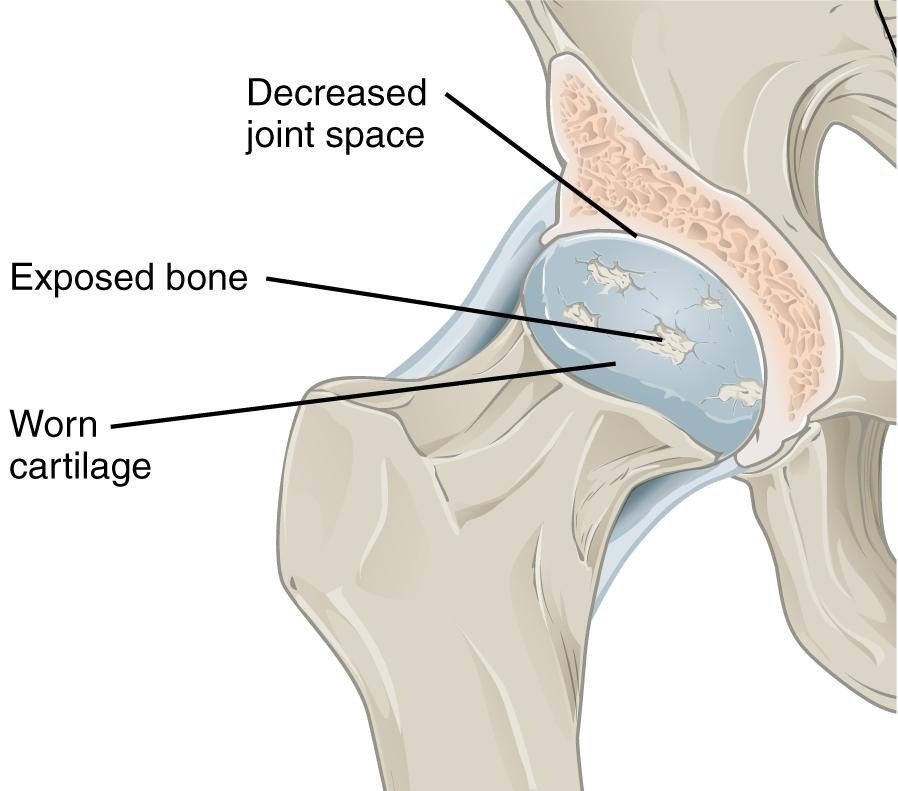
Cartilage Damage
Healthy cartilage protects the hip during walking, running, and everyday movement.
When cartilage becomes damaged, the joint loses some of its natural cushioning.
Early treatment may help preserve healthy cartilage before more widespread joint damage develops.
Hip arthroscopy may be recommended when cartilage injuries are localized and suitable for minimally invasive treatment.
Is Hip Arthroscopy Right for You?
Every patient is different.
The decision isn’t based on age alone. Instead, your orthopedic surgeon evaluates your symptoms, physical examination, imaging studies, activity level, and the condition of your hip joint.
You may be a good candidate if you:
- Continue to experience hip pain despite conservative treatment
- Have a diagnosed labral tear or hip impingement
- Notice clicking or catching inside the joint
- Experience pain during sports or daily activities
- Have healthy joint cartilage without advanced arthritis
Patients who receive treatment before significant arthritis develops often have more joint-preserving options available.
Why an Accurate Diagnosis Matters
Hip pain doesn’t always begin inside the hip.
Sometimes the discomfort originates in the lower back, pelvis, tendons, or surrounding muscles. Because several conditions produce similar symptoms, identifying the true source of pain is essential before recommending surgery.
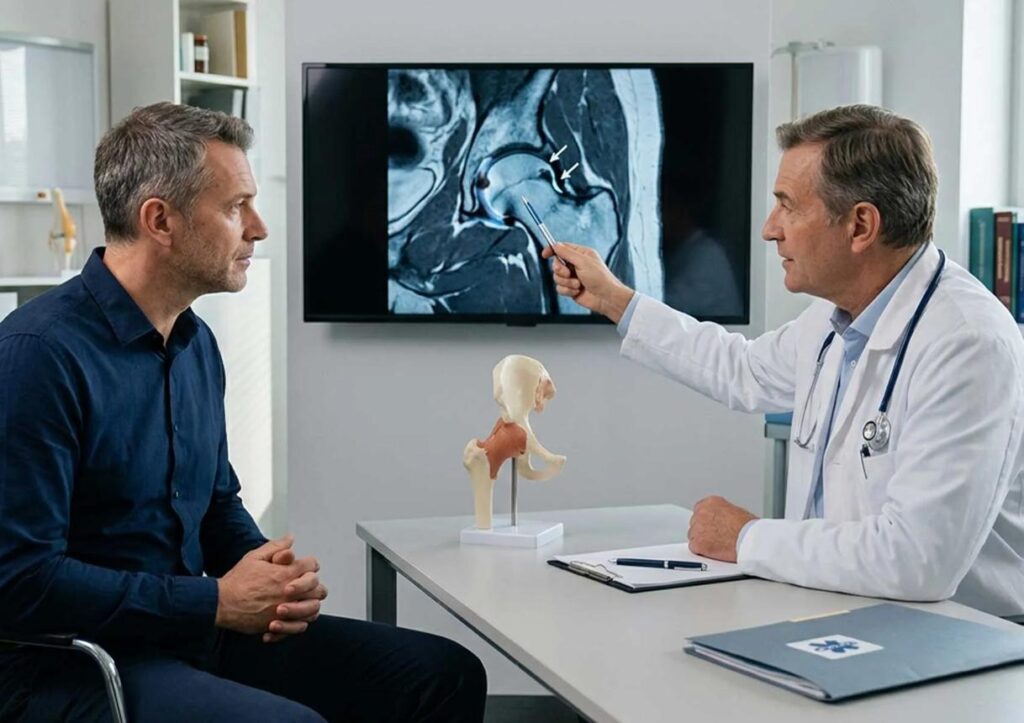
At Dr. Sean Thompson Bone & Joint Surgeon, every evaluation includes a thorough medical history, physical examination, and advanced imaging when appropriate.
Rather than focusing only on symptom relief, the goal is to understand why you’re experiencing pain and recommend the treatment that best fits your lifestyle and long-term joint health.
Explore our comprehensive guide:
Arthroscopic Surgery Explained: Knee, Shoulder & Hip
This pillar article explains how arthroscopic techniques are used to treat different joints and complements this guide by providing a broader overview of minimally invasive orthopedic surgery.
What Happens During Hip Arthroscopy?
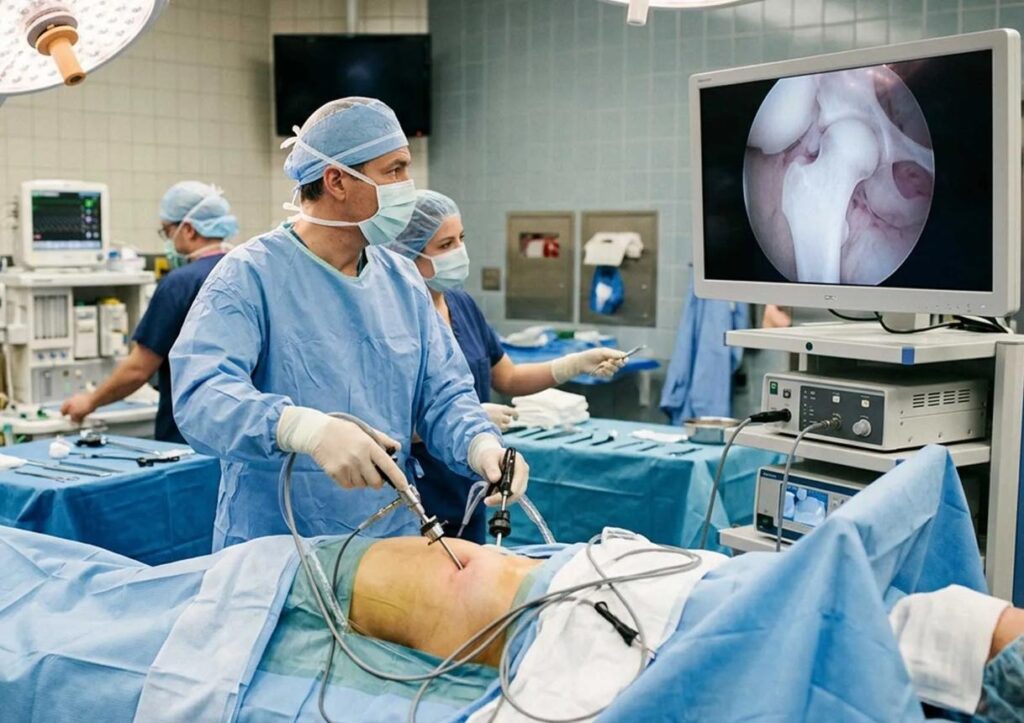
Many patients are surprised to learn that hip arthroscopy queens is performed through small incisions instead of one large opening.
After anesthesia is administered, your surgeon gently positions the hip to create space inside the joint. A tiny camera (arthroscope) is inserted, allowing every structure inside the hip to be viewed on a high-definition monitor.
Once the problem has been identified, specialized instruments are used to repair or remove damaged tissue while preserving as much healthy cartilage and bone as possible.
Depending on your diagnosis, the procedure may include the following:
- Repairing a torn hip labrum
- Reshaping bone affected by hip impingement (FAI)
- Removing loose cartilage or bone fragments
- Treating damaged cartilage
- Cleaning inflamed joint tissue when appropriate
Most procedures are completed on an outpatient basis, allowing patients to return home the same day.
Benefits of Hip Arthroscopy
One of the biggest advantages of hip arthroscopy is that it treats the cause of pain instead of simply managing symptoms.
Because the procedure is minimally invasive, many patients experience a smoother recovery than they would after traditional open hip surgery.
Potential benefits include the following:
- Smaller incisions with minimal scarring
- Less disruption to surrounding muscles
- Reduced postoperative discomfort
- Improved hip movement
- Better joint stability after labral repair
- Earlier return to many everyday activities
- Preservation of the natural hip whenever possible
While every recovery is different, treating structural problems early may also help reduce ongoing damage inside the joint.
Recovery After Hip Arthroscopy
Recovery doesn’t happen overnight, but most patients gradually notice steady improvement as healing progresses.
During the first few days, mild swelling and soreness are expected. Your surgeon may recommend crutches for a short period to protect the hip while repaired tissues begin to heal.
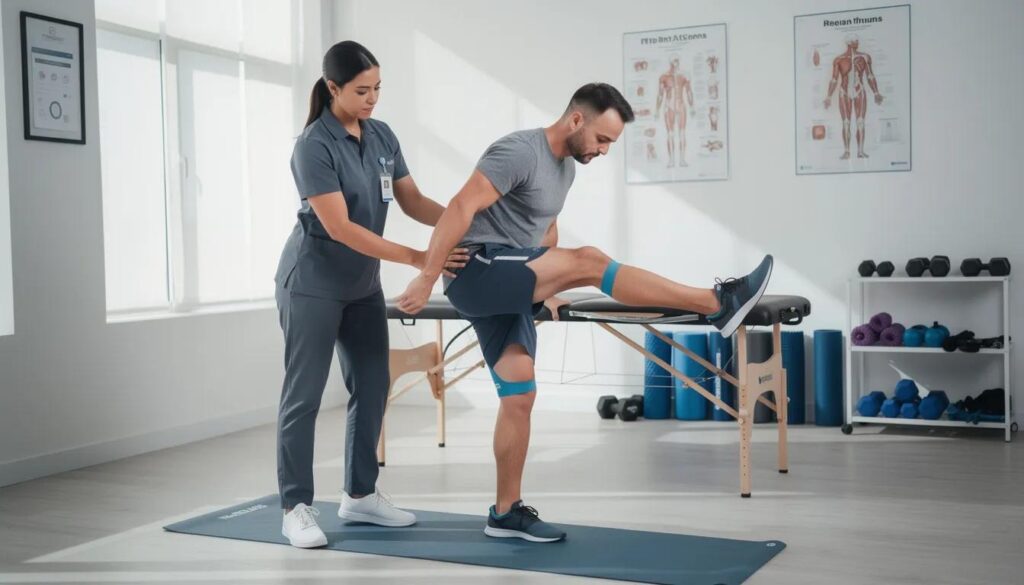
Physical therapy usually starts early and plays a major role in restoring flexibility, strength, and normal movement.
A typical recovery may look like this:
- First 2 weeks: Focus on pain control, gentle movement, and protecting the hip.
- Weeks 3–6: Gradually improve mobility and begin strengthening exercises.
- Weeks 6–12: Increase daily activities and continue physical therapy.
- After 3 months: Many patients return to recreational activities, depending on their progress.
- Sports: Athletes may require additional rehabilitation before returning to competition.
Every patient heals differently. Following your rehabilitation plan is one of the most important factors in achieving a successful outcome.
Are There Any Risks?
Every surgical procedure carries some degree of risk, including hip arthroscopy. Fortunately, serious complications are uncommon when the procedure is performed for the right condition.
Possible risks include the following:
- Infection
- Blood clots
- Temporary nerve irritation
- Joint stiffness
- Continued hip discomfort
- Rare need for additional treatment
Before recommending surgery, your orthopedic surgeon will discuss both the benefits and potential risks so you understand what to expect.
When Is Hip Arthroscopy Not the Best Option?
Hip arthroscopy isn’t the right treatment for every patient.
If the joint has advanced arthritis or severe cartilage loss, repairing structures inside the hip may not provide lasting relief.
Other treatments may be more appropriate when patients have:
- Advanced hip arthritis
- Significant joint degeneration
- Severe joint space narrowing
- Certain fractures or infections
A comprehensive orthopedic evaluation helps determine which treatment offers the best long-term outcome.
Why Choose Sean Thompson, MD, Bone & Joint Surgeon?
Choosing the right surgeon involves more than selecting a procedure. It means finding a physician who takes the time to understand your symptoms, explain your options, and recommend treatment based on your individual goals.
Sean Thompson, MD, provides personalized orthopedic care for patients experiencing hip pain, sports injuries, and joint conditions affecting daily life.
Every treatment plan begins with a detailed evaluation to determine the exact source of pain. Conservative care is considered whenever appropriate, and surgery is recommended only when it offers the greatest potential benefit.
Whether you’re dealing with a hip labral tear, femoroacetabular impingement, or another joint condition, the focus is on helping you return to an active lifestyle with improved comfort and confidence.
Hip Arthroscopy in Queens, New York City, Clifton & Englewood
Patients looking for hip arthroscopy in Queens have access to comprehensive orthopedic care from Dr.Sean Thompson, a bone and joint surgeon.
With convenient locations in Jamaica (Queens), New York City, Clifton, and Englewood, patients receive individualized treatment plans close to home.
From advanced imaging and diagnosis to rehabilitation after surgery, every stage of care is designed to support better mobility and long-term joint health.
Early evaluation is especially important if your hip pain is limiting work, exercise, or everyday activities.
Frequently Asked Questions
Can hip arthroscopy prevent a hip replacement?
Hip arthroscopy is designed to treat certain conditions before they cause significant joint damage. While it cannot prevent every future hip replacement, early treatment may help preserve the natural joint in appropriate patients.
Is hip arthroscopy painful?
Patients receive anesthesia during surgery, so they do not feel pain during the procedure. Mild soreness after surgery is expected and is typically managed with medication, ice, and rehabilitation.
Can I drive after hip arthroscopy?
Driving is usually possible once you are no longer taking prescription pain medication and can safely control the vehicle. Your surgeon will advise you based on your recovery.
Will physical therapy be necessary?
Yes. Physical therapy is an important part of recovery and helps restore movement, strength, flexibility, and balance.
What age is best for hip arthroscopy?
There is no specific age requirement. Candidacy depends more on joint health, symptoms, imaging findings, and activity level than age alone.
Where can I receive hip arthroscopy in Queens?
Sean Thompson, MD provides comprehensive evaluation and treatment for patients seeking hip arthroscopy in Queens, as well as New York City, Clifton, and Englewood.
When should I schedule an orthopedic evaluation?
If hip pain continues for several weeks, limits your daily activities, or doesn’t improve with conservative treatment, an orthopedic evaluation can help identify the cause and discuss available treatment options.