A pickup basketball game, a hard fall on the ski slope, a tackle gone wrong, and suddenly your shoulder slides out of place. Mldd and sling and a few weeks of rest, it feels fine. Then it happens again while you’re simply reaching for a shelf. If that cycle sounds familiar, you may be dealing with chronic shoulder instability. Searching for shoulder stabilization procedures near me is a smart step toward a lasting fix.
The shoulder is the most mobile joint in the body, and that freedom comes at the cost of stability. This guide explains what shoulder instability is, who truly needs surgery, how the main operations work, and what recovery realistically looks like. You can then walk into a consultation with an orthopedic surgeon NY patients trust, informed and confident.
What Is Shoulder Instability?
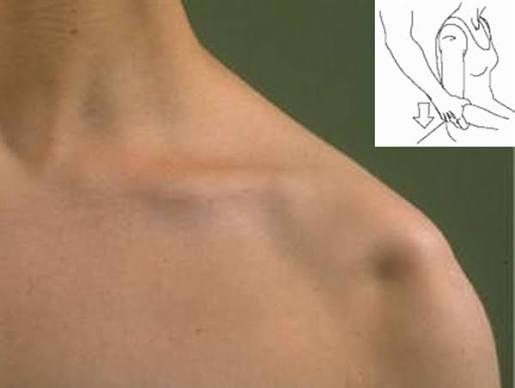
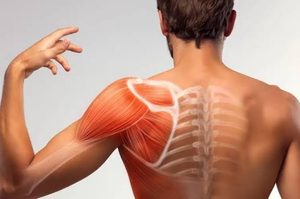
Your shoulder is a ball-and-socket joint, but the socket (the glenoid) is shallow, like a golf ball resting on a tee. To keep the ball of the upper arm bone centered, the joint relies on three things. The first is the labrum, a rim of cartilage around the socket. The second is the joint capsule, a network of ligaments. The third is the rotator cuff muscles.
When these structures are stretched or torn, the ball can slip partly out of the socket (a subluxation) or pop completely out (a dislocation). Once the stabilizing tissues are damaged, the joint may not stay put. Each new episode can cause more damage, so recurrent instability is a structural problem, not just a pain problem.
Common Causes of Shoulder Instability
- Traumatic dislocation: A fall, collision, or sudden force tears the labrum, often at the front-bottom of the socket. This injury is called a Bankart lesion.
- Bone injury: The impact can chip the socket rim or dent the back of the humeral head (a Hill-Sachs lesion). Enough bone loss makes another dislocation much more likely.
- Repetitive overhead stress: Swimmers, volleyball players, and baseball pitchers can gradually stretch the capsule.
- Natural looseness: Some people have naturally lax ligaments. This can cause multidirectional instability, where the shoulder slips in several directions, sometimes without any real injury.
Shoulder Instability Symptoms
- A feeling that the shoulder is loose, slipping, or about to come out
- Repeated dislocations or partial subluxations
- Sudden pain when the arm is overhead or behind the body
- Clicking, catching, or popping inside the joint
- A “dead arm” sensation or sudden weakness
- Nervousness about sports, sleep positions, or reaching
Is It Instability or Something Else?
Not all shoulder pain means a loose joint. Overhead aching, night pain, and pinching can point to an inflamed subacromial bursa instead, a condition usually managed without surgery. If that sounds closer to your symptoms, read our guide to the treatment of shoulder bursitis Queens patients rely on. It covers symptoms, exam findings, and conservative options in detail.
The simplest distinction is that bursitis hurts, while instability slips. Some patients have both, along with a rotator cuff or labral problem. That’s why a hands-on exam and imaging matter.
Who Needs Shoulder Stabilization Surgery?
Many first-time dislocations heal without surgery, especially in older patients. Surgery deserves serious consideration in these situations:
- Recurrent dislocations or subluxations. Once the shoulder starts slipping repeatedly, it rarely tightens back up on its own.
- A young, active patient after a first dislocation. Recurrence rates are high in athletes under 25, and each episode can worsen cartilage and bone damage.
- No improvement after three to six months of rehab. Physical therapy is the first step for most patients, but it can’t repair a torn labrum.
- Significant labral tear or bone loss on imaging. Structural damage often needs a structural fix.
- High-demand lifestyles. Contact athletes, overhead throwers, military personnel, and heavy laborers often need a more reliable repair.
- Life-limiting apprehension. If you avoid reaching, lifting, or sleeping on your side, the instability is already costing you.
Age changes the picture. After age 40, a dislocation more often involves a rotator cuff tear than a labral tear, so the surgical plan looks different. For multidirectional instability, targeted rehab of the rotator cuff and shoulder blade muscles is typically tried first.
Types of Shoulder Stabilization Procedures
The right operation depends on which structures are damaged and how much bone is missing. The main options are
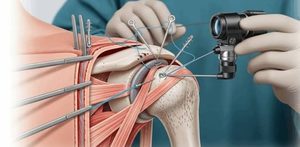
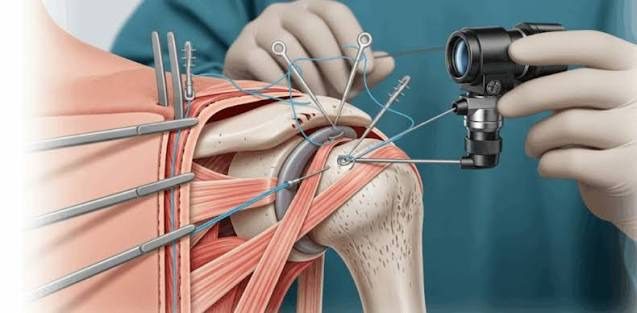
Arthroscopic Bankart repair. Through a few small incisions and a camera, the surgeon reattaches the torn labrum to the socket using tiny suture anchors and tightens the capsule. It is the most common stabilization surgery, with less scarring and typically faster early motion than open surgery.
Capsular shift or plication. This tightens a stretched, loose capsule. It is used for looseness-related instability that hasn’t responded to rehab.
Remplissage. The surgeon fills a large Hill-Sachs defect with adjacent soft tissue so the dent no longer catches on the socket rim. It is often paired with a Bankart repair.
Latarjet procedure. When there’s substantial socket bone loss, a failed prior repair, or a high risk of recurrence in collision sports, the surgeon moves a piece of the coracoid bone to the front of the socket. This rebuilds the socket and adds a sling-like tendon effect. It is a larger operation, but very durable.
Posterior labral repair. This treats shoulders that slip backward, which is more common in linemen, weightlifters, and some throwing athletes.
How Shoulder Instability Is Diagnosed
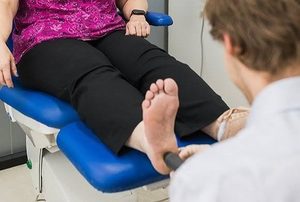
Evaluation begins with your history and a physical exam. This includes apprehension and relocation tests, range of motion, strength, and ligament laxity. X-rays check the bone, and an MRI, often with contrast, shows the labrum and capsule in detail. A CT scan may be used to measure bone loss precisely. This imaging determines whether a soft-tissue repair is enough or a bone procedure is safer.
What to Expect on Surgery Day
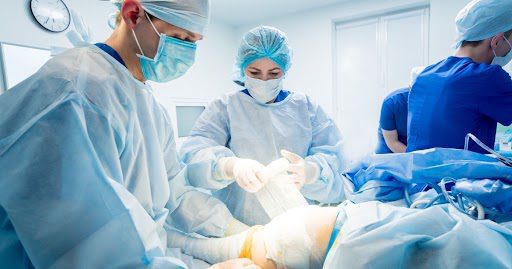
Most stabilization surgeries are outpatient. You’ll receive anesthesia, usually paired with a nerve block that numbs the arm for hours. An arthroscopic repair generally takes one to two hours. You go home the same day in a sling with a plan for pain control, icing, and early hand and wrist motion.
Shoulder Stabilization Recovery Timeline

Protocols vary by surgeon, procedure, and patient, but the general roadmap looks like this:
Weeks 0–6: Protect the repair. You’ll wear a sling, usually for about four to six weeks. Elbow, wrist, and hand motion starts right away. Sleeping semi-reclined is more comfortable, and driving is generally off-limits until you’re out of the sling and off narcotic medication. Many desk workers return within one to two weeks.
Weeks 6–12: Restore motion. You’ll wean from the sling and begin active motion. Physical therapy focuses on regaining range without stressing the healing tissue.
Months 3–4: Rebuild strength. Rotator cuff, shoulder blade, and core strengthening begins. Everyday activities feel much more normal.
Months 4–6 and beyond: Return to sport. Sport-specific training begins. Contact and overhead athletes typically return around five to six months or later, based on strength and motion testing rather than the calendar alone.
Most patients feel close to normal by six to twelve months. Patience during the early protective phase is the single biggest factor in protecting the repair.
Risks and Outcomes
Most patients regain a stable, functional shoulder. Risks include stiffness, recurrent instability, infection, nerve irritation, and anesthesia-related complications. Bone-block procedures carry additional hardware-related risks. Recurrence is more likely in young contact athletes and when bone loss is missed, which is why choosing the right procedure matters.
Tips for a Smoother Recovery
- Wear the sling exactly as directed, even when the shoulder feels fine.
- Attend every physical therapy session and do your home exercises.
- Ice regularly and keep your incisions clean and dry.
- Don’t rush back to sport or heavy lifting.
- Tell your surgeon early about new pain, swelling, or fever.
Choosing an Orthopedic Surgeon NY Patients Can Trust
Shoulder stabilization works best when the surgeon matches the operation to your anatomy, not the other way around. Sean Thompson, MD, and the team at NY Bone and Joint Specialists start with conservative care when it’s appropriate. When surgery is the better path, they offer arthroscopic and advanced options with care built around your goals. Patients can be seen in New York City and New Jersey.
Explore our arthroscopy services in Jamaica, Queens, our sports medicine care, or our guide to shoulder arthroscopy recovery and candidacy.
Ready for a Stable Shoulder?
If you’ve been typing shoulder stabilization procedures near me into your search bar after one dislocation too many, you don’t have to keep working around a shoulder you can’t trust. Schedule a consultation with Sean Thompson, MD, to get an accurate diagnosis and a plan built around your shoulder and your goals.
Frequently Asked Questions
How long does shoulder stabilization surgery take to heal?
The repair needs roughly three to four months to heal firmly. Most patients return to full sport in about five to six months, and complete recovery can take up to a year.
Can a dislocated shoulder heal without surgery?
Sometimes. A first dislocation in an older or lower-demand patient often does well with a sling and physical therapy. Young athletes and people with repeated dislocations are more likely to need surgery.
Is shoulder stabilization surgery painful?
Discomfort is expected, especially during the first week. It is managed with a nerve block, medication, ice, and rest. Arthroscopic repairs are generally less painful than open procedures.
Is shoulder instability the same as bursitis?
No. Instability involves a loose or torn joint stabilizer, while bursitis is inflammation of the cushioning sac. They can coexist, so a proper exam matters.