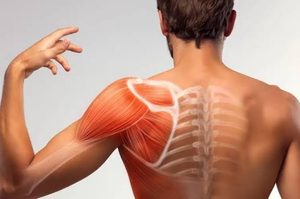
Shoulder pain may cause problems with even the most basic of daily activities. If the shoulder joint is badly damaged, it might be tiresome to move your arm, reach overhead, dress yourself, or sleep in an appropriate position. Reverse shoulder replacement surgery may be an option for patients with serious arthritis, rotator cuff tears, or persistent shoulder instability and can result in long-term pain relief and better mobility.
At EC Bone and Joint, you can be treated by an Orthopedic surgeon Clifton NJ, with years of experience who specializes in diagnosing and treating complex shoulder diseases with advanced orthopedic therapy. If you are thinking about surgery or looking at other options for chronic shoulder pain, being informed about the preparation, surgery, and recovery will help you make sound health decisions.
What Is Reverse Shoulder Replacement Surgery?
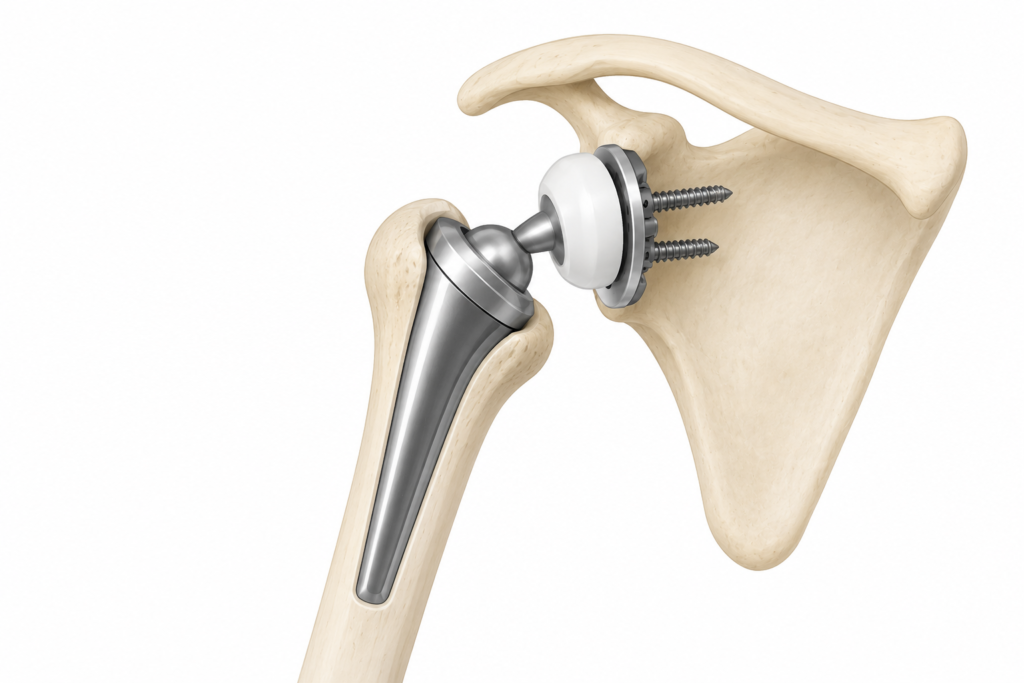
Reverse shoulder replacement surgery is a specific form of shoulder replacement surgery meant for individuals who have a serious injury to their shoulder with a defective or weak rotator cuff. Healthy shoulders have a ball-and-socket joint that helps them move smoothly. A traditional shoulder replacement grows the normal anatomy, while a reverse shoulder replacement reverses the ball and socket.
In this procedure:
- The ball component is attached to the shoulder blade
- The socket component is attached to the upper arm bone
This design allows the deltoid muscle to help move the arm instead of relying heavily on the damaged rotator cuff.
Reverse shoulder replacement is commonly recommended by an orthopedic specialist, Clifton, for patients who have the following:
- Severe shoulder arthritis
- Rotator cuff tear arthropathy
- Complex shoulder fractures
- Failed previous shoulder surgeries
- Chronic shoulder instability
- Severe pain and limited mobility
Who Needs Reverse Shoulder Replacement?
Not all patients with shoulder discomfort need surgery. Initial treatment often involves conservative measures, including physical therapy, medicines, injections, and lifestyle modifications. But if pain and stiffness begin to affect normal daily life, surgery may be required.
You may be a candidate for reverse shoulder replacement if you experience:
- Shoulder pain, every time
- Arm weakness, lifting
- Difficulty sleeping because of shoulder pain
- Limited accessibility
- Shoulder grinding or clicking
A Failure of Non-Surgical Treatment
An experienced Orthopedic surgeon Clifton NJ can evaluate your symptoms through physical exams, imaging studies, and diagnostic testing to determine the best treatment plan.
Preparing for Reverse Shoulder Replacement Surgery
Preparation plays an important role in the success of an operation. Your orthopedic personnel will provide you with thorough instructions in front of time on medications and physical preparation, as well as how to plan for your recovery.
Medical Evaluation
Your surgeon may prescribe:
- X-rays
- magnetic resonance imaging (MRI) Scans
- CAT scans
- Blood work
- Cardiac ranking, if specified
These tests serve a purpose to evaluate the health of the shoulder joint and to find any health issues.
Medication Review
Certain medications, including blood thinners and anti-inflammatory drugs, may need to be stopped before surgery. Always follow your surgeon’s recommendations carefully.
Physical Conditioning
Patients are often counselled to:
- Physical therapy to reinforce your shoulders
- Eat a healthy, balanced diet.
- Stop smoking.
- Organize transport and care at home after the process
Preparing your recovery area ahead of time can help make the healing process easier and more comfortable.
Reverse Shoulder Replacement Procedure
Typically, reverse shoulder replacement surgery is performed under general anesthesia and takes around two hours.
Step-by-Step Procedure
1. Cut
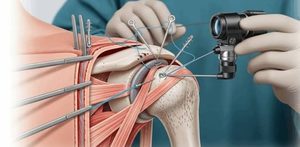
To access the injured joint, the surgeon cuts close to the shoulder.
2. Debridement of Bone Damage
Damaged cartilage and arthritic bone are removed with care.
3. Placement of the implants
The ball part is connected to the shoulder blade, and the socket part is coupled to the upper arm bone.
4. Joint examinations
The surgeon will verify the stability, the alignment, and the movement before closing the wound.
5. The conclusion
The incision is then closed with stitches or staples, and the shoulder is supported in a sling.
A seasoned orthopedic specialist, Clifton adopts the latest procedures to enhance accuracy and reduce recovery issues.
Benefits of Reverse Shoulder Replacement Surgery
Many patients experience significant improvement after surgery. Some major benefits include:
- Lower shoulder pain
- More successful arm movement
- Improved shoulder stability
- Better quality of life
- Greater ability to complete everyday activities
This type of shoulder replacement surgery helps many people get their independence back and return to activities they used to avoid because of pain.
Recovery Following Reverse Shoulder Replacement Surgery
Recovery takes time and patience, therapy, and follow-up treatment.
After Surgery Immediately
Patients are normally observed for many hours after the operation. Depending on their condition, some may be sent home the same day, and some might have to spend the night.
You might feel:
- Slight swelling
- A little discomfort
- Restricted movement
- Use of shoulder slings
Pain medications and the use of ice therapy are utilized to control the discomfort in the early recovery phase.
Physical Therapy and Rehabilitation
Reverse shoulder replacement surgery needs physical therapy. A customized rehab strategy can help to safely improve mobility and strength.
Time to Recovery
First 2 Weeks
- Use a sling
- Restrict arm mobility
- Healing Focus
Weeks 3 to 6
- Start mild range-of-motion exercises
- Keep up with regular physical care
6-12 Weeks
- Slow strengthening exercises
- Improved normal daily activities
3-6 Months
- The majority of people acquire substantial mobility and comfort from discomfort.
- Full recovery can vary depending on age, health condition, and commitment to rehabilitation.
Risks and Complications
Like any surgical procedure, reverse shoulder replacement carries some risks. Although complications are uncommon, patients should understand potential concerns.
Possible risks include the following:
- Infection
- Blood clots
- Nerve injury
- Implant loosening
- Shoulder instability
- Stiffness
Choosing an experienced Orthopedic surgeon Clifton NJ can help minimize these risks and improve surgical outcomes.
Why Choose an Orthopedic Specialist in Clifton?
The choice of a surgeon is one of the most important choices that may be made for successful treatment. Advanced joint replacement NJ patients receive tailored treatment programs, advanced surgical procedures, and extensive rehabilitation support.
At EC Bone and Joint, patients receive specialist orthopedic care to improve mobility, minimize discomfort, and improve long-term joint function.
Working with an experienced orthopedic specialist, Clifton guarantees the following:
- Correct diagnosis
- Treatment programs that are customized
- High-level surgical care.
- All-round rehabilitation guidance
- continued support following surgery
- Tips for Long-Term Health of Your Shoulder Lifestyle
Maintaining your upper body health after surgery is important to protect your new joint and avoid future problems.
Useful tips include:
- Continue PT exercises.
- Avoid too much lifting while recuperating
- Relax, straight up!
- Keep the body moving
- Talk to your surgeon.
- Follow up on all appointments
Proper care of your shoulder implant can help increase its life and improve your mobility overall.
Restore Shoulder Movement With Expert Surgical Care
Chronic shoulder pain and limited mobility can affect every part of daily life. Discover advanced reverse shoulder replacement surgery options designed to relieve pain, restore movement, and improve long-term shoulder function with expert care.
Book Your Appointment OnlineProudly Serving Patients Across New Jersey & New York
Our orthopedic team provides advanced shoulder and joint replacement care for patients throughout the following:
- Englewood, NJ
- New York City, NY
- Jamaica, NY
- Nearby New Jersey & New York communities
Conclusion
Reverse shoulder replacement surgery may substantially enhance the quality of life for those who suffer from persistent shoulder pain, arthritis, and severe rotator cuff degeneration. This innovative procedure improves shoulder stability and function, allowing many people to get back to their routines with less pain and more trust.
If you suffer from constant shoulder pain or limited motion, talking with an able orthopedic surgeon in Clifton, NJ, is a crucial first step for getting treatment. The patients receive skilled care in shoulder replacement surgery, creative orthopedic therapies, and comprehensive joint replacement NJ services tailored to individual needs at EC Bone and Joint.
(FAQs)
1. What divides a traditional from a reverse shoulder replacement?
Traditional shoulder replacement calls for a solid rotator cuff, whereas with reverse shoulder replacement, the structure of the joint changes so that the deltoid muscle helps move the arm instead.
2. How long is reverse shoulder replacement surgery?
The operation normally takes between 1 1/2 and 2 hours based on the complexity of the issue.
3. Is recovery from shoulder replacement surgery painful?
Some discomfort is to be expected throughout recovery, especially in the first several weeks. Pain is typically treated with medications, ice, and physical rehabilitation.
4. How long is normal to recuperate from reverse shoulder replacement?
Most patients recover in 3 to 6 months, although it might take a year to fully recover and gain strength.
5. Who is a good candidate for reverse shoulder replacement?
This procedure can be utilized in patients with severe arthritis, chronic rotator cuff tears, shoulder weakness, or failed previous shoulder surgeries.
6. Will I be able to resume my normal activities following surgery?
Yes, many patients can return to their normal activities with better mobility and minimal discomfort after completing medical care and recovery.