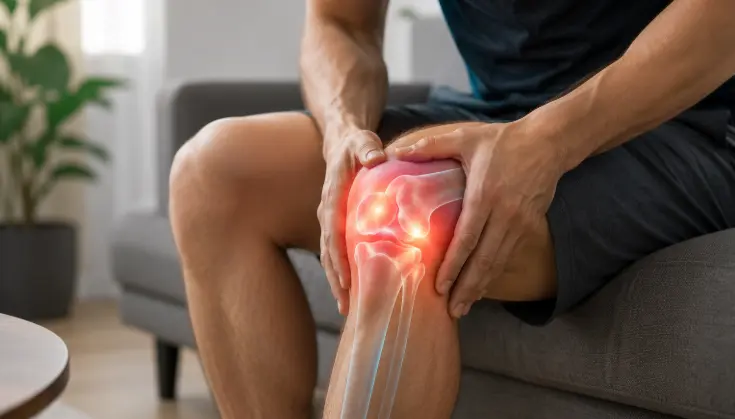
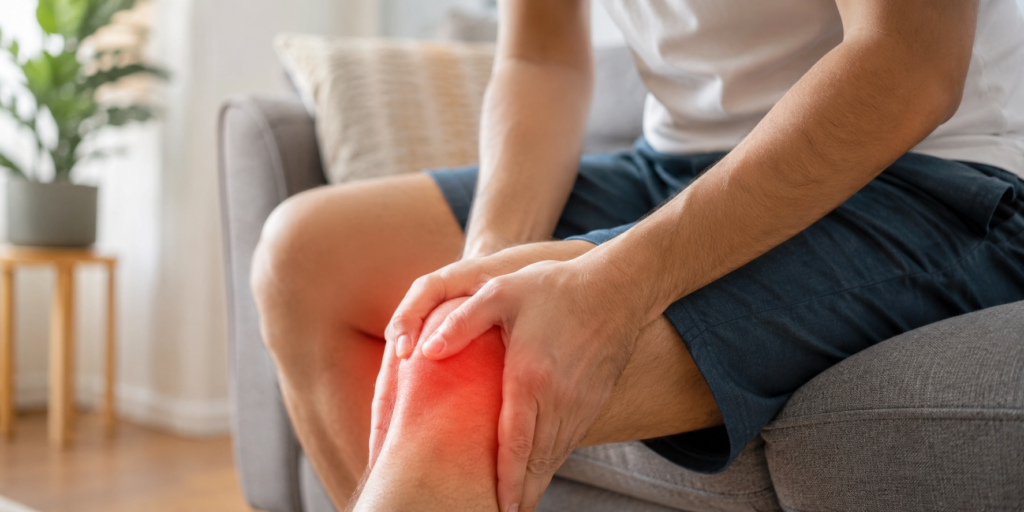
Why does my knee hurt? In most cases, it’s one of three things: overuse or mechanical strain, a structural injury like a torn ligament or meniscus, or a degenerative condition such as arthritis. The location and timing of your pain – for example, whether it flares up on stairs or at night – usually gives a strong clue. Most knee pain improves with rest and physical therapy. However, sudden swelling, locking, or instability are red flags that need an orthopedic evaluation.
Understanding Knee Pain
The knee is the largest joint in your body. It connects the femur, tibia, and kneecap, and it relies on cartilage, ligaments, and tendons to move smoothly.
Because the knee carries your full body weight, it’s under constant stress. Climbing stairs, running, and even standing up from a chair all place extra load on the joint. As a result, knee pain is one of the most common reasons people visit an orthopedic surgeon.
Knee pain generally falls into two categories:
- Acute pain – sudden and often linked to a specific injury, like a fall or a twist.
- Chronic pain – develops gradually, often from repetitive strain or age-related wear.
Knowing which type you have is the first step toward the right diagnosis.
Don’t wait for knee pain to get worse. Schedule your evaluation with a board-certified orthopedic surgeon today.
15 Common Causes of Knee Pain
Below are the 15 most common causes of knee pain we see in our clinic, along with their symptoms, who they typically affect, and how they’re treated.
1. Knee Osteoarthritis
Osteoarthritis causes a dull, gradual ache that worsens with activity and improves with rest. Many patients also notice stiffness after sitting and a grinding sensation called crepitus.
This condition is most common in adults over 50. That said, it can also develop earlier in people who’ve had prior knee injuries.
Diagnosis relies on a physical exam plus X-rays showing joint space narrowing. Treatment usually starts with weight management, physical therapy, and anti-inflammatory medication. In advanced cases, a partial or total knee replacement may be the best option for lasting relief.
2. Meniscus Tear
A meniscus tear causes sharp pain along the joint line, along with swelling and a catching or locking sensation. The meniscus is a C-shaped piece of cartilage that cushions the knee joint, and it’s one of the most frequently injured structures in the body.
Athletes who pivot or twist are especially prone to this injury. However, older adults can tear a meniscus from something as simple as squatting, due to age-related cartilage weakening.
An MRI confirms the tear’s location and severity. Smaller tears often heal with rest and physical therapy, while larger tears may require arthroscopic surgery to repair or trim the damaged cartilage.
3. ACL Injury
An ACL injury often causes a “pop” at the moment of injury, followed by swelling and a feeling that the knee is giving way. This is one of the most common injuries in athletes who play sports involving sudden stops, pivots, or jumps.
Diagnosis involves specific stability tests on exam, confirmed with MRI. Partial tears may respond to physical therapy, but complete tears in active patients often need ACL reconstruction to restore stability.
4. MCL Injury
MCL injuries cause pain and tenderness on the inner side of the knee, along with mild swelling and instability. They typically result from a direct blow to the outer knee or an awkward twisting motion.
Fortunately, most MCL injuries heal well with bracing, rest, and sports medicine–guided physical therapy, without the need for surgery.
5. Patellar Tendinitis (“Jumper’s Knee”)
This condition causes pain just below the kneecap that worsens with jumping, running, or kneeling. It’s especially common among volleyball and basketball players.
Treatment focuses on rest, ice, and eccentric strengthening exercises. Surgery is rarely necessary.
6. Runner’s Knee (Patellofemoral Pain)
Runner’s knee causes an achy pain around or behind the kneecap. It tends to worsen with running, squatting, or sitting for long periods – sometimes called “theater sign.”
This is often linked to weak hip and quad muscles. Therefore, treatment centers on targeted physical therapy rather than rest alone.
7. Bursitis
Bursitis causes localized swelling and tenderness, often over the front of the kneecap. It’s common in people who kneel frequently, such as carpet layers and gardeners.
Rest, ice, and anti-inflammatory medication usually resolve the swelling. In some cases, a corticosteroid injection provides additional relief.
8. Cartilage Damage (Chondral Injury)
Cartilage damage causes deep joint pain, swelling, and catching sensations. It often follows a traumatic injury, though it can also develop from repetitive stress.
MRI is the best tool for evaluating the joint surfaces. Treatment ranges from physical therapy and injections to more advanced cartilage restoration procedures, depending on severity.
9. Patellofemoral Pain Syndrome
This condition causes diffuse pain at the front of the knee. It typically worsens with stairs, squatting, or prolonged sitting.
It’s most common in younger, active individuals – especially those who recently increased their training intensity. Physical therapy and gradual activity modification are usually effective.
10. IT Band Syndrome
IT band syndrome causes sharp, burning pain on the outer side of the knee. It’s typically triggered by running or cycling, particularly when mileage increases too quickly.
Rest, stretching, and correcting training errors usually resolve the pain within a few weeks.
11. Gout
Gout causes sudden, intense pain, redness, and swelling – often overnight and without any injury. It’s more common in men and in people with elevated uric acid levels.
Diagnosis involves joint fluid analysis to identify uric acid crystals. Treatment includes anti-inflammatory medication and, for recurrent cases, medication to lower uric acid levels long-term.
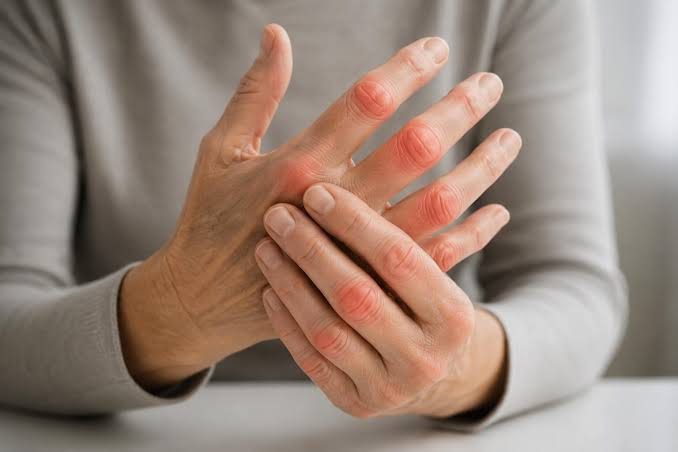
12. Rheumatoid Arthritis
Rheumatoid arthritis causes symmetric joint pain, often affecting both knees at once, along with morning stiffness lasting over an hour. Unlike osteoarthritis, it can occur at any age and is more common in women.
Blood tests help confirm the diagnosis. While a rheumatologist typically manages the underlying condition, orthopedic arthritis treatment addresses joint damage as it develops.
13. Baker’s Cyst
A Baker’s cyst is a soft, fluid-filled swelling behind the knee. It often develops secondary to an underlying issue, such as a meniscus tear or arthritis.
Treating the underlying cause typically resolves the cyst. Aspiration is also an option for symptomatic relief.
14. Knee Fractures
Fractures cause severe pain immediately after trauma, along with an inability to bear weight and visible swelling. They usually result from falls, direct impact, or high-energy trauma like car accidents.
X-rays confirm the diagnosis, with CT scans used for complex fracture patterns. Treatment ranges from bracing to surgical fixation, depending on severity – our orthopedic trauma team manages both.
15. Overuse Injuries
Overuse injuries cause gradual, activity-related pain without a specific injury event. They’re common in anyone who rapidly increases training volume or intensity.
Structured rest and a gradual return-to-activity program usually resolve symptoms. Addressing underlying strength or biomechanical issues helps prevent recurrence.
Ready to Find Out Why Your Knee Hurts?
Guessing at the cause only delays relief. Schedule a visit with Dr. Sean Thompson and get a clear diagnosis, a personalized treatment plan, and a path back to pain-free movement – starting with your very first visit.
Book Your Appointment Today or call (718) 291-1300 to speak with our care team.
Same-week appointments are available at our Clifton, Englewood, Jamaica Queens, and New York City locations.
When Should You See an Orthopedic Surgeon?
Not all knee pain requires a specialist visit. That said, certain symptoms shouldn’t wait. Seek an orthopedic evaluation if you notice:
- Significant swelling within hours of an injury
- Locking – the knee gets stuck and won’t fully move
- Instability – the knee buckles or gives way
- Fever combined with a hot, swollen joint
- Severe pain that doesn’t improve with rest or medication
- Inability to bear weight on the affected leg
If any of these apply to you, schedule a visit with an orthopedic knee specialist rather than waiting for the pain to resolve on its own.
How Knee Pain Is Diagnosed
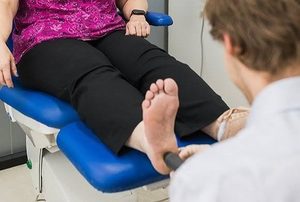
Diagnosis starts with a thorough physical exam. Your surgeon will check swelling, range of motion, and stability, along with specific tests that help pinpoint the injured structure.
From there, imaging may include:
- X-rays for bone alignment, fractures, and arthritis
- MRI for ligaments, cartilage, and the meniscus
- CT scan for complex fracture patterns
- Ultrasound for soft tissue evaluation and image-guided injections
Not every case of knee pain needs an MRI. However, it becomes valuable when a soft-tissue injury, such as a ligament or meniscus tear, is suspected.
Not sure which of these matches your symptoms? A quick evaluation can tell you exactly what’s going on – book a consultation and get answers, not guesswork.
Treatment Options
Non-Surgical Treatment
Most knee pain responds well to conservative care, including:
- Rest and activity modification
- Ice to control swelling
- Physical therapy to rebuild strength and mobility
- Anti-inflammatory medication for pain relief
- Knee bracing for added support
- Corticosteroid injections, when appropriate
Surgical Treatment
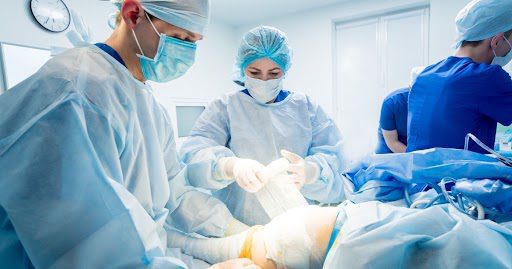
When conservative treatment isn’t enough, surgical options may include the following:
- Arthroscopy – minimally invasive diagnosis and treatment
- Meniscus repair to preserve healthy cartilage
- ACL reconstruction to restore stability
- Partial knee replacement for arthritis limited to one part of the joint
- Total knee replacement for advanced arthritis
Your treatment path depends on your diagnosis, activity level, and goals. That’s why a personalized evaluation matters more than a generic treatment plan.
Frequently Asked Questions
Can knee pain go away on its own?
Mild, activity-related knee pain often improves within a few days to weeks with rest and self-care. Persistent or worsening pain, however, needs a proper evaluation.
Why does my knee hurt when climbing stairs?
Stairs place extra load on the kneecap. As a result, pain that’s worse on stairs often points to patellofemoral pain syndrome or early cartilage wear.
Why does my knee click?
Occasional, painless clicking is usually normal. But clicking combined with pain or a catching sensation is more concerning and should be checked out.
Should I keep walking with knee pain?
Light walking is often fine for mild pain and can even aid recovery. Stop walking, though, if you feel sharp pain, instability, or can’t bear weight comfortably.
Does every meniscus tear require surgery?
No. Many smaller, stable tears improve with physical therapy alone. Surgery is generally reserved for tears that cause locking or catching or don’t respond to conservative care.
Is knee pain always arthritis?
No. Arthritis is a leading cause of chronic knee pain in older adults. Even so, knee pain can stem from dozens of causes, including tendinitis, ligament injuries, and overuse.
Do I need surgery?
Most knee conditions are treated non-surgically first. Surgery becomes an option when conservative treatment fails or a structural injury won’t heal on its own.
Should I see an orthopedic surgeon or physical therapist first?
If your pain follows a specific injury or involves swelling and instability, start with an orthopedic evaluation. For gradual, general discomfort, a physical therapist can often help first and refer you onward if needed.
Why Choose Sean Thompson MD
Getting a clear answer to “why does my knee hurt” starts with a surgeon who takes the time to understand your symptoms and goals. Dr. Sean Thompson is a board-certified orthopedic surgeon who prioritizes conservative treatment first and turns to surgery only when it’s truly the best path forward.
Patients choose our practice for:
- Board-certified expertise across sports medicine, arthritis care, and joint replacement
- Conservative-first treatment, with surgery as a last resort
- Personalized care plans built around your diagnosis and lifestyle
- Advanced diagnostics, including same-visit evaluation when possible
- Modern surgical techniques, from minimally invasive arthroscopy to joint replacement
- Multiple convenient locations across New Jersey and New York
Find a Location Near You
- Orthopedic Care in Clifton, NJ
- Orthopedic Care in Englewood, NJ
- Orthopedic Care in Jamaica, Queens, NY
- Orthopedic Care in New York City, NY
This article is for informational purposes only and is not a substitute for professional medical advice, diagnosis, or treatment. Always consult an orthopedic specialist for evaluation of persistent or severe knee pain.