Persistent shoulder pain can make even the simplest daily activities challenging. Reaching overhead, lifting groceries, getting dressed, or participating in sports may become painful when the shoulder joint is injured or inflamed. While many shoulder conditions improve with rest, medication, and physical therapy, some injuries require a more advanced treatment approach.
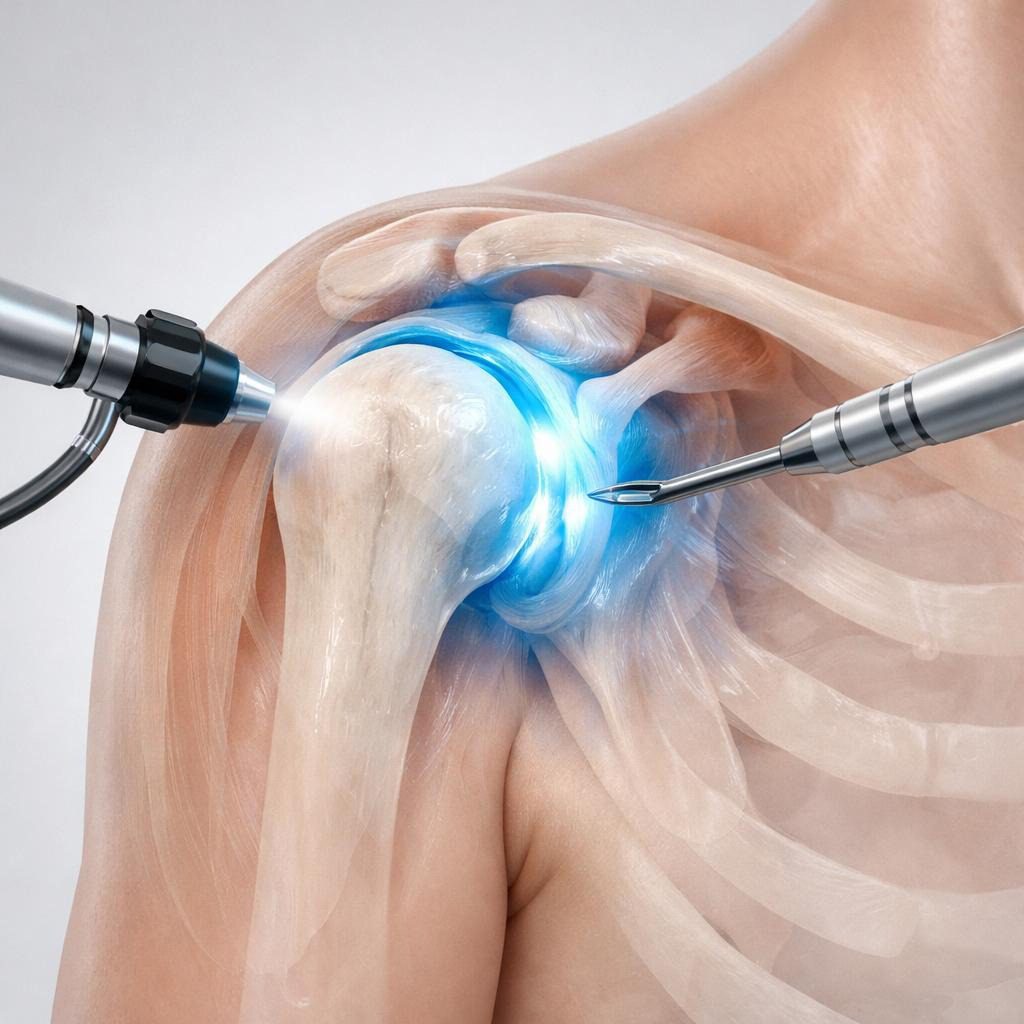
Shoulder arthroscopy is a minimally invasive surgical procedure that allows orthopedic surgeons to diagnose and treat a wide range of shoulder problems using a tiny camera and specialized instruments. Compared to traditional open surgery, arthroscopic shoulder surgery typically involves smaller incisions, less discomfort, and a faster recovery for many patients.
If you’re exploring treatment options for persistent shoulder pain, understanding how shoulder arthroscopy works can help you make informed decisions about your care. This guide explains the procedure, common conditions it treats, who may be a good candidate, and what to expect before surgery. For a broader overview of minimally invasive joint procedures, explore our Knee Arthroscopy: What It Treats and What to Expect
What Is Shoulder Arthroscopy?
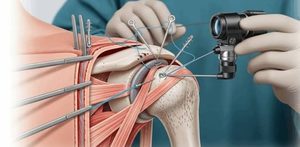
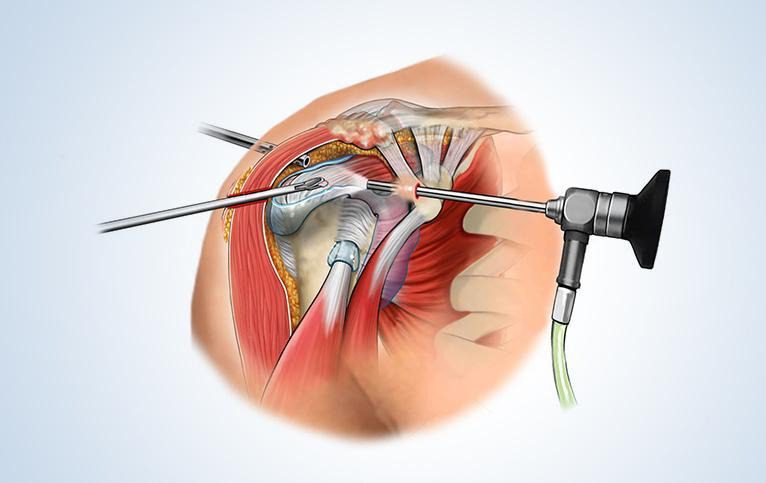
Shoulder arthroscopy is a minimally invasive orthopedic procedure used to diagnose and treat injuries or disorders affecting the shoulder joint. During the procedure, an orthopedic surgeon inserts a small camera, called an arthroscope, through tiny incisions around the shoulder. The camera projects high-definition images onto a monitor, allowing the surgeon to examine the joint in great detail.
Specialized surgical instruments are inserted through additional small incisions to repair damaged tissues, remove inflamed tissue, or address structural problems within the shoulder.
Unlike traditional open surgery, arthroscopic shoulder surgery causes less disruption to surrounding muscles and soft tissues. This approach often results in:
- Smaller incisions
- Reduced postoperative pain
- Minimal scarring
- Lower risk of infection
- Faster rehabilitation
- Earlier return to daily activities
Because of these advantages, shoulder arthroscopy has become one of the most commonly performed orthopedic procedures for treating shoulder injuries.
How Does Arthroscopic Shoulder Surgery Work?
Before surgery, your orthopedic surgeon will perform a comprehensive evaluation, including a physical examination, medical history review, and imaging studies such as X-rays or an MRI. These tests help identify the underlying cause of your shoulder pain and determine whether arthroscopic surgery is appropriate.
The procedure generally involves the following steps:
Anesthesia
Shoulder arthroscopy is usually performed under general anesthesia, although some patients may receive regional anesthesia combined with sedation.
Creating Small Incisions
The surgeon makes several tiny incisions, known as portals, around the shoulder joint. These openings allow access for the arthroscope and surgical instruments.
Joint Examination
The arthroscope transmits detailed images of the inside of the shoulder, enabling the surgeon to inspect cartilage, tendons, ligaments, muscles, and bones for damage.
Repairing the Shoulder
Depending on the diagnosis, the surgeon may
- Repair torn rotator cuff tendons
- Reattach a torn labrum
- Remove inflamed tissue
- Trim damaged cartilage
- Remove bone spurs
- Release tight shoulder capsule tissue
- Stabilize the shoulder joint after recurrent dislocations
Closing the Incisions
After completing the procedure, the instruments are removed, and the small incisions are closed with stitches or surgical strips before applying dressings.
Most shoulder arthroscopy procedures are performed on an outpatient basis, allowing patients to return home the same day.
Conditions Treated With Shoulder Arthroscopy

Shoulder arthroscopy is highly effective for treating numerous orthopedic conditions affecting the shoulder joint.
Rotator Cuff Tears
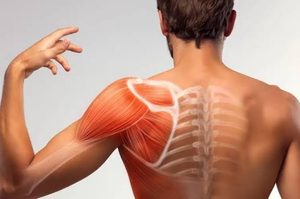
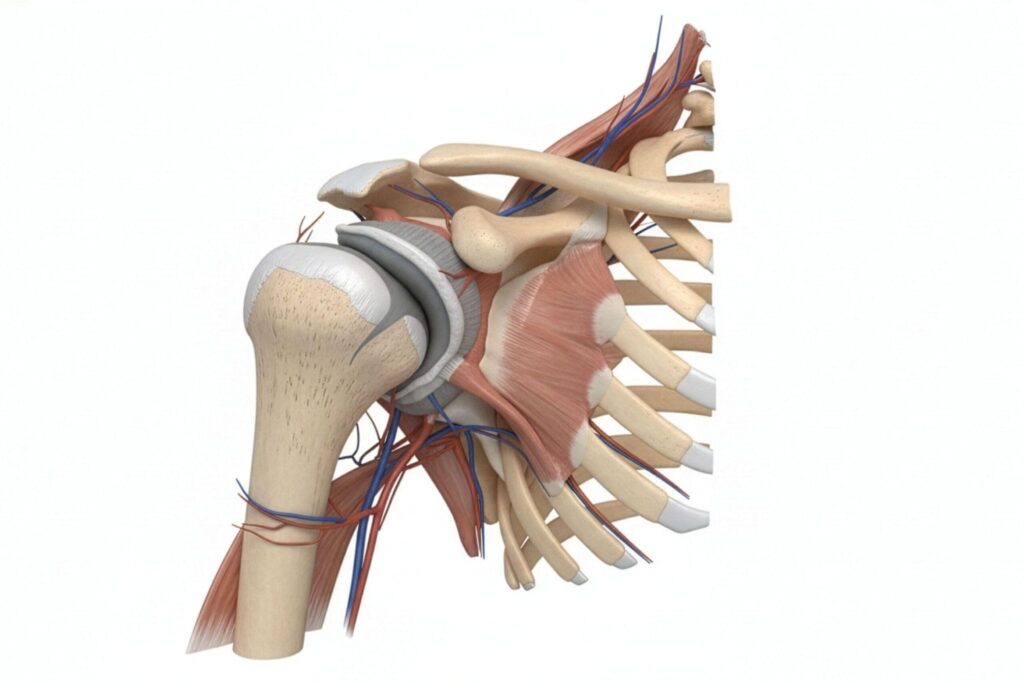
The rotator cuff consists of four muscles and tendons that stabilize the shoulder and help lift and rotate the arm. Tears can develop from sports injuries, repetitive overhead motions, or age-related degeneration.
Arthroscopic surgery enables surgeons to repair damaged tendons with minimal disruption to surrounding tissues.
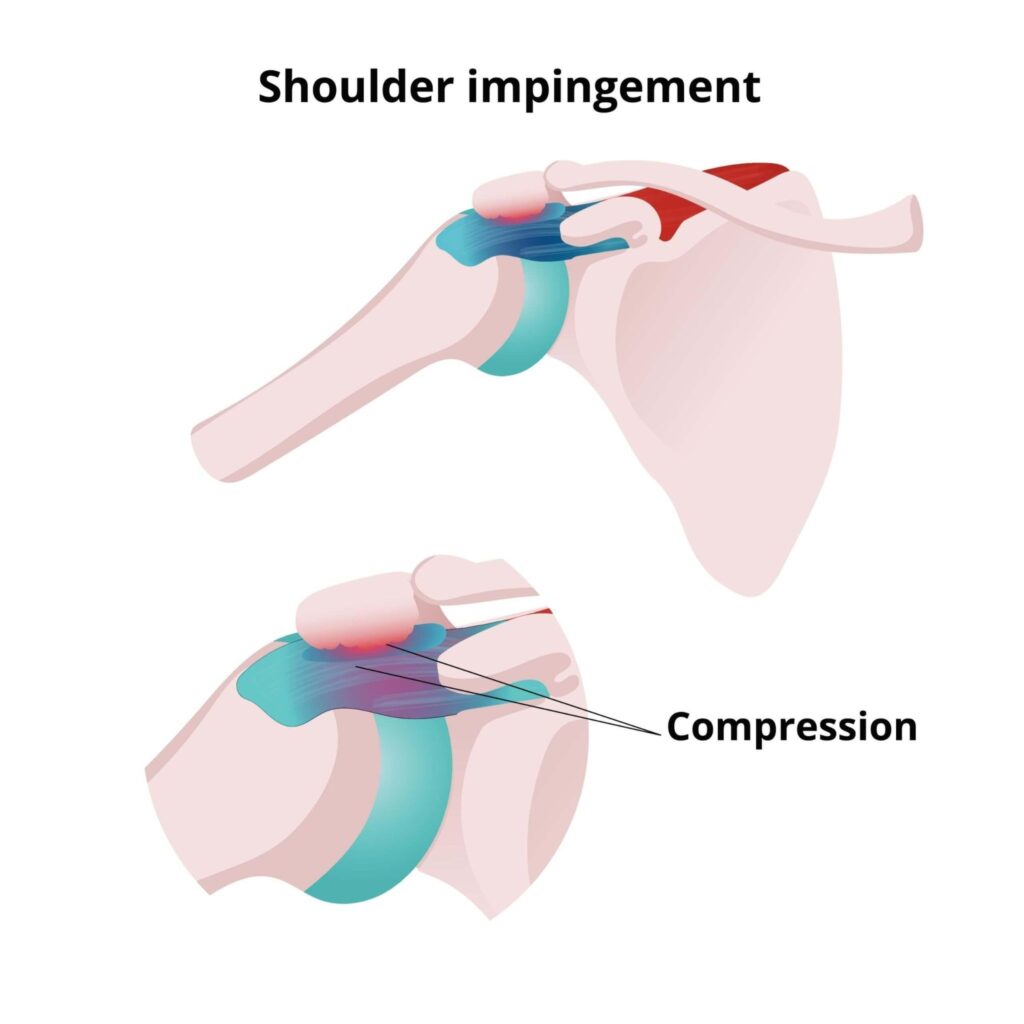
Shoulder Impingement Syndrome
Shoulder impingement occurs when tendons become compressed beneath the acromion, causing pain during overhead movement.
Arthroscopy can relieve pressure by removing inflamed tissue or reshaping bone spurs that contribute to impingement.
Labral Tears
The labrum is a ring of cartilage that helps stabilize the shoulder socket. Labral injuries often occur in athletes participating in baseball, swimming, tennis, or weightlifting.
Arthroscopic shoulder surgery allows surgeons to repair the torn labrum and restore joint stability.
Shoulder Instability and Dislocations
Repeated shoulder dislocations can stretch or tear supporting ligaments, making the joint unstable.
Shoulder arthroscopy can tighten damaged tissues and repair the structures that help keep the shoulder securely in place.
Frozen Shoulder
Frozen shoulder, also known as adhesive capsulitis, causes stiffness and reduced mobility due to thickening of the joint capsule.
When conservative treatments fail, arthroscopic surgery may be performed to release tight tissues and improve range of motion.
Biceps Tendon Injuries
The long head of the biceps tendon frequently develops inflammation or partial tears.
Arthroscopy allows orthopedic surgeons to repair or reposition the tendon, reducing pain while restoring shoulder function.
Bone Spurs and Arthritis
Patients with early arthritis or bone spurs may benefit from arthroscopic removal of loose cartilage fragments, inflamed tissue, or bone growths that restrict movement and contribute to pain.
Who Is a Candidate for Shoulder Arthroscopy?
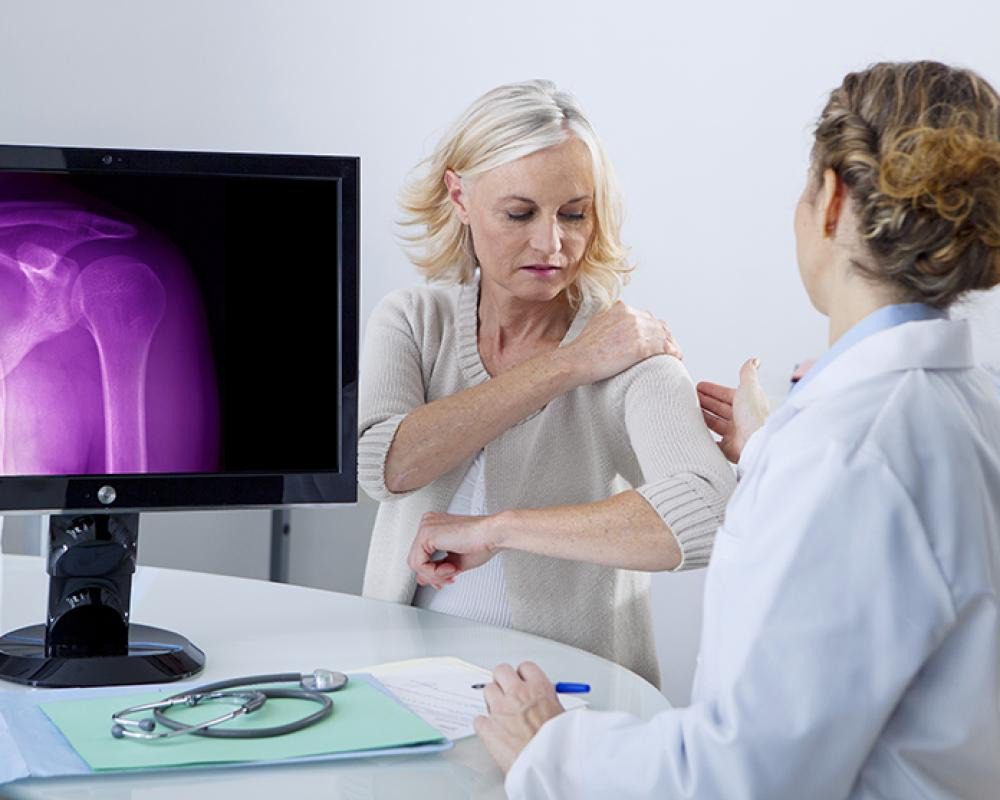
Not every patient with shoulder pain requires surgery. Many individuals recover with conservative treatments such as physical therapy, activity modification, anti-inflammatory medications, or corticosteroid injections.
However, shoulder arthroscopy may be recommended if symptoms persist despite non-surgical care.
You may be a candidate if you experience:
- Chronic shoulder pain lasting several months
- Limited range of motion
- Weakness when lifting the arm
- Pain during sports or work activities
- Frequent shoulder dislocations
- Rotator cuff tears confirmed by MRI
- Labral injuries
- Shoulder instability
- Shoulder impingement syndrome
- Persistent inflammation that has not improved with therapy
Athletes, active adults, and individuals whose occupations involve repetitive overhead movements often benefit from arthroscopic shoulder surgery because it allows treatment while minimizing tissue damage.
Older adults may also be candidates depending on the severity of their symptoms, overall health, and treatment goals.
During your consultation, an experienced orthopedic surgeon will evaluate your condition, review imaging results, discuss your symptoms, and recommend the most appropriate treatment plan based on your individual needs.
What Are the Benefits of Shoulder Arthroscopy?

For many patients, shoulder arthroscopy offers significant advantages over traditional open surgery. Because the procedure uses small incisions and specialized instruments, it generally results in less trauma to surrounding muscles and soft tissues. This minimally invasive approach can help patients recover more comfortably while restoring shoulder function.
Key benefits of arthroscopic shoulder surgery include:
- Smaller incisions with minimal scarring
- Less postoperative pain and swelling
- Reduced risk of infection
- Shorter hospital stay (most procedures are outpatient)
- Faster recovery than many open procedures
- Improved shoulder stability and mobility
- Quicker return to work, sports, and daily activities
- Better visualization of the shoulder joint for precise treatment
Whether you’re an athlete with a sports injury or someone experiencing chronic shoulder pain, shoulder arthroscopy can effectively address the underlying condition while helping preserve healthy tissue.
What Are the Risks of Arthroscopic Shoulder Surgery?
Although arthroscopic shoulder surgery is considered safe and has a high success rate, every surgical procedure carries some level of risk. Choosing an experienced orthopedic surgeon and following postoperative instructions can help minimize complications.
Possible risks include the following:
- Infection
- Bleeding
- Blood clots
- Nerve or blood vessel injury
- Shoulder stiffness
- Persistent pain
- Temporary swelling or bruising
- Failure of repaired tissue to heal completely
- Recurrent shoulder instability in some cases
Most complications are uncommon, and many patients recover successfully with proper rehabilitation and follow-up care.
What Is Recovery Like After Shoulder Arthroscopy?
Recovery after shoulder arthroscopy varies depending on the type of repair performed, your overall health, and how closely you follow your rehabilitation plan. Simple procedures, such as removing inflamed tissue, may require only a few weeks of recovery, while complex repairs like rotator cuff surgery can take several months.
Immediately After Surgery
Following surgery, your shoulder will likely be placed in a sling to protect the repaired tissues. Mild discomfort, swelling, and stiffness are expected during the first few days.
Your orthopedic team may recommend:
- Ice therapy to reduce swelling
- Prescription or over-the-counter pain medication
- Keeping the surgical incisions clean and dry
- Gentle hand, wrist, and elbow exercises to maintain circulation
Most patients return home the same day after the procedure.
Shoulder Arthroscopy Recovery Timeline
Although every patient’s recovery is unique, the following timeline provides a general overview:
| Recovery Stage | What to Expect |
| Week 1 | Rest, pain management, sling use, incision care |
| Weeks 2–4 | Gentle passive range-of-motion exercises under supervision |
| Weeks 4–8 | Gradual improvement in shoulder mobility and light daily activities |
| Months 2–3 | Begin strengthening exercises and increase functional movement |
| Months 3–6 | Return to many recreational activities and non-contact sports |
| 6–12 Months | Continued strength gains and full recovery for more complex repairs |
Patients recovering from rotator cuff repairs or shoulder stabilization procedures may require additional rehabilitation before returning to high-demand activities.
Why Is Physical Therapy Important After Shoulder Arthroscopy?
Physical therapy is one of the most important parts of a successful recovery after arthroscopic shoulder surgery. Surgery repairs the damaged structures, but rehabilitation helps restore flexibility, strength, coordination, and shoulder stability.
A physical therapy program typically progresses through several phases:
Early Recovery
- Protect the repaired tissues
- Reduce swelling and inflammation
- Restore gentle range of motion
Intermediate Phase
- Improve shoulder mobility
- Strengthen surrounding muscles
- Increase flexibility
Advanced Rehabilitation
- Restore functional strength
- Improve shoulder endurance
- Prepare for sports, work, or other physical activities
Skipping therapy or returning to strenuous activities too early can increase the risk of reinjury or delayed healing.
When Can You Return to Work or Sports?
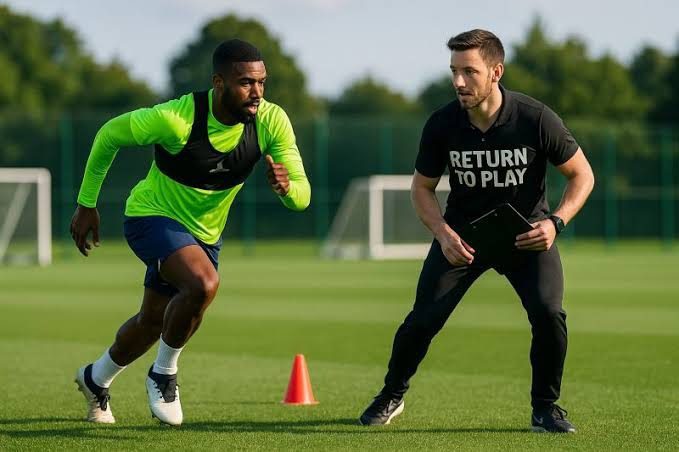
The timing depends on the type of surgery performed and the physical demands of your job or sport.
In general:
- Desk workers may return within 1–2 weeks, depending on comfort.
- Individuals with physically demanding jobs may need 2–4 months before resuming full duties.
- Recreational athletes often return to activity after 3–6 months.
- Competitive athletes may require 6–9 months of rehabilitation before returning to full performance.
Your orthopedic surgeon and physical therapist will determine when it is safe to resume your normal activities based on your progress.
When Should You See an Orthopedic Surgeon for Shoulder Pain?
Occasional shoulder discomfort after exercise or minor strain may improve with rest. However, persistent or worsening symptoms should not be ignored.
Schedule an evaluation if you experience:
- Shoulder pain lasting more than a few weeks
- Difficulty lifting your arm
- Shoulder weakness
- Recurrent shoulder dislocations
- Clicking or catching sensations
- Night pain that interferes with sleep
- Limited range of motion
- Pain that does not improve with medication or physical therapy
Early diagnosis can help prevent further joint damage and may improve treatment outcomes.
Why Choose Dr. Sean Thompson, Bone & Joint Surgeon?
When considering arthroscopic shoulder surgery, choosing an experienced orthopedic surgeon is essential for achieving the best possible outcome.
At Dr. Sean Thompson Bone & Joint Surgeon, patients receive personalized orthopedic care using advanced diagnostic techniques and minimally invasive treatment options. Dr. Sean Thompson evaluates each patient’s condition carefully and develops a customized treatment plan based on their symptoms, activity level, and long-term goals.
Whether you’re dealing with a rotator cuff tear, shoulder instability, labral injury, or chronic shoulder pain, our team is committed to helping you regain comfort, mobility, and confidence.
Patients throughout New York City, NY, Jamaica, NY, Englewood, NJ, and Clifton, NJ trust our practice for comprehensive orthopedic care focused on restoring joint function and improving quality of life.
Ready to Get Relief from Knee Pain?
|
Frequently Asked Questions
Is shoulder arthroscopy considered major surgery?
While shoulder arthroscopy is a surgical procedure, it is minimally invasive. Compared with traditional open surgery, it typically involves smaller incisions, less tissue damage, and a faster recovery.
How long does shoulder arthroscopy take?
Most procedures take between 45 minutes and 2 hours, depending on the condition being treated and the complexity of the repair.
Is arthroscopic shoulder surgery painful?
Patients receive anesthesia during the procedure, so they do not feel pain during surgery. Mild to moderate discomfort after surgery is common but is usually well managed with medication, ice therapy, and rest.
How successful is shoulder arthroscopy?
Success rates are generally high, especially when surgery is performed for appropriate conditions such as rotator cuff tears, labral injuries, or shoulder impingement. Following your rehabilitation program is essential for achieving the best outcome.
Will I need physical therapy after shoulder arthroscopy?
Yes. Most patients benefit from a structured physical therapy program to restore shoulder strength, flexibility, and range of motion after surgery.
Can shoulder arthroscopy treat a rotator cuff tear?
Yes. Many rotator cuff tears can be repaired using arthroscopic techniques, allowing surgeons to restore tendon function through small incisions.
Is shoulder arthroscopy an outpatient procedure?
Yes. In most cases, patients return home on the same day, although someone else will need to drive them after surgery.