

The most common signs of arthritis are joint pain, stiffness (especially in the morning), swelling, warmth around a joint, and a reduced range of motion. These signs of arthritis can appear in almost any joint, but they show up differently depending on where they start: the legs, the hands, or the spine. Symptoms that last longer than two to three weeks or keep coming back should be evaluated by an orthopedic specialist.
This guide covers every major way arthritis shows up in the body, so you know exactly what to watch for and when it’s time to book an appointment.
What Is Arthritis?
Arthritis is not one single disease; it’s an umbrella term for more than 100 conditions that cause inflammation, pain, and stiffness in the joints. The two most common forms are the following:
- Osteoarthritis (OA): the “wear and tear” type, caused by the gradual breakdown of cartilage that cushions the joints.
- Rheumatoid arthritis (RA): an autoimmune condition where the body’s immune system mistakenly attacks the lining of the joints, often causing symmetrical swelling on both sides of the body.
Both types can produce similar early warning signs, which is why so many people mistake ordinary joint soreness for something more serious. If you want a deeper breakdown of how the two differ, this practice’s guide on osteoarthritis vs. rheumatoid arthritis walks through the distinctions in detail.

The Most Common Early Signs of Arthritis
Catching the early signs of arthritis gives you the best shot at slowing joint damage before it becomes harder to manage. Across almost every joint, arthritis tends to announce itself through a handful of recurring patterns:
- Stiffness, particularly first thing in the morning or after sitting still for a while
- Aching or throbbing pain that starts mild and worsens with activity
- Visible swelling or a joint that feels warm to the touch
- A grinding or clicking sensation when the joint moves
- Reduced flexibility, making everyday tasks like climbing stairs or opening jars feel harder
- Joint weakness or instability, especially in weight-bearing joints
These signs can be subtle at first, a little stiffness here, a twinge there, which is exactly why they’re so often dismissed as “just getting older.” For a closer look at the seven earliest warning signs and how they progress over time, see our companion article, 7 Early Arthritis Signs You Shouldn’t Ignore.
First Signs of Arthritis in the Legs
The legs carry your body weight all day, so arthritis in the hips, knees, ankles, and feet tends to show up early and interfere with mobility quickly. The first signs of arthritis in the legs usually include:
Knee Symptoms
- Pain when climbing or descending stairs
- A feeling that the knee might “give way” or buckle
- Swelling around the kneecap after standing or walking
- Stiffness after sitting for long periods, such as during a car ride
Hip Symptoms
- A deep ache in the groin, outer thigh, or buttock
- Pain that worsens after walking or standing for long periods
- A noticeable limp that develops gradually
- Difficulty putting on shoes or socks due to limited hip rotation
Ankle and Foot Symptoms
- Pain in the ball of the foot or big toe joint
- Swelling around the ankle bones
- Stiffness that makes the first few steps in the morning uncomfortable
- Changes in gait to avoid putting pressure on a sore joint
Because the legs are involved in nearly every daily activity, walking, standing, driving, and climbing stairs, leg arthritis often gets noticed sooner than arthritis elsewhere. Left unaddressed, it can also change the way you walk, which places extra strain on the opposite hip or knee.
Signs of Arthritis in the Hand
Arthritis in the hand is one of the most common complaints seen by orthopedic specialists, since the hands and fingers contain dozens of small joints that get used constantly. Watch for:
- Finger joint swelling, especially around the knuckles or the joints closest to the fingertips
- Morning stiffness that makes it hard to make a fist or grip a coffee mug
- A weaker grip, making it harder to open jars, twist doorknobs, or carry grocery bags
- Bony bumps that develop near the finger joints over time (common with osteoarthritis)
- Aching at the base of the thumb, which can make pinching or writing uncomfortable
- Warmth, redness, or symmetrical swelling in both hands, which can point toward rheumatoid arthritis rather than osteoarthritis
Hand arthritis can be especially disruptive because so many daily tasks, typing, cooking, and buttoning a shirt, depend on fine motor control and grip strength. Many patients notice hand symptoms months before they seek treatment simply because they assume the stiffness will pass.
Signs of Arthritis in Other Joints
While the legs and hands are the most commonly affected areas, arthritis can develop in almost any joint, including the following:
- Shoulders: aching that worsens with overhead reaching, stiffness that limits range of motion
- Spine: lower back stiffness, reduced flexibility when bending, and occasionally nerve-related symptoms like tingling
- Wrists: swelling and pain that affects grip strength and wrist rotation
- Jaw (TMJ): clicking, popping, or discomfort while chewing
What Causes Arthritis Symptoms to Appear?
Several factors influence when and how arthritis symptoms show up:
- Age: cartilage naturally wears down over time, increasing osteoarthritis risk
- Previous joint injuries: old sprains, fractures, or ligament tears can accelerate joint damage
- Repetitive stress: jobs or hobbies that repeatedly strain the same joint
- Excess body weight: added pressure on weight-bearing joints like the knees and hips
- Genetics: a family history of arthritis or autoimmune conditions
- Autoimmune activity: in rheumatoid and psoriatic arthritis, the immune system itself drives inflammation
How Arthritis Is Diagnosed

An orthopedic specialist typically diagnoses arthritis through a combination of the following:
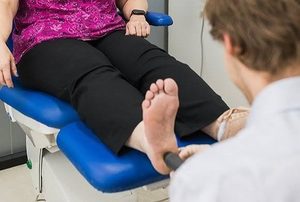
- A physical exam to check swelling, joint range of motion, and tenderness
- A review of symptom history, including when pain started and what makes it better or worse
- Imaging, such as X-rays or MRI, to assess cartilage loss or joint damage
- Blood tests, which can help identify inflammatory or autoimmune forms of arthritis like rheumatoid arthritis
Getting an accurate diagnosis early matters, because osteoarthritis and rheumatoid arthritis are managed very differently. If you’re unsure whether your symptoms point to arthritis or something more minor, this resource on the difference between arthritis and joint pain can help you understand what separates the two.
Treatment Options for Arthritis Symptoms
Treatment is tailored to the type and severity of arthritis, but common approaches include:
- Activity modification to reduce strain on affected joints
- Physical therapy to build strength and preserve range of motion
- Anti-inflammatory medication to manage pain and swelling
- Bracing or supportive devices for weight-bearing joints
- Corticosteroid or lubricating injections for more persistent symptoms
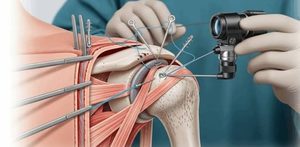
- Joint replacement or arthroscopic surgery in advanced cases where conservative care no longer provides relief
Most patients start with conservative, non-surgical Arthritis Treatment Clifton and only consider surgical options if symptoms progress despite other care.
When to See an Orthopedic Specialist
Schedule an evaluation if you notice:
- Joint pain, stiffness, or swelling lasting more than two to three weeks
- Symptoms that are getting worse instead of better
- Pain that limits walking, gripping, or daily activities
- Visible joint deformity or a joint that feels unstable
- Swelling that’s warm, red, or affects both sides of the body symmetrically
The earlier arthritis is identified, the more treatment options remain on the table and the better the odds of preserving long-term joint function.
Take the Next Step Toward Joint Health
Recognizing the signs of arthritis early, whether it’s stiffness in the legs, swelling in the hands, or aching that won’t go away, is the first step toward protecting your long-term mobility. Sean Thompson, MD, Bone & Joint provides personalized arthritis evaluations and treatment for patients in Jamaica, NY; New York City, NY; Englewood, NJ; and Clifton, NJ.
Schedule Your Arthritis Consultation Today
Frequently Asked Questions
What are the very first signs of arthritis?
The earliest signs of arthritis are usually mild joint stiffness (especially in the morning), occasional aching after activity, and slight swelling around a joint. These symptoms often come and go before becoming more constant.
What are the first signs of arthritis in the legs?
In the legs, arthritis typically starts with knee pain on stairs, hip aching after standing or walking, or morning stiffness in the ankles and feet. A subtle limp or a feeling that the knee is “giving way” can also be an early clue.
What does arthritis in the hand feel like?
Arthritis in the hand often feels like stiffness when making a fist, swelling around the knuckles, a weaker grip, and aching at the base of the thumb. Bony bumps near the finger joints can also develop over time.
Can arthritis symptoms come and go?
Yes. Especially in the early stages, arthritis symptoms can flare up and then improve, which is one reason people often delay seeing a doctor. Recurring symptoms, even if they’re mild, are still worth having evaluated.
Is joint pain always a sign of arthritis?
Not necessarily. Joint pain can also result from muscle strain, overuse, or minor injury. Arthritis is more likely when pain is accompanied by stiffness, swelling, and reduced range of motion that persists for weeks rather than days.
When should I see a doctor about arthritis symptoms?
See a doctor if joint pain, stiffness, or swelling lasts longer than two to three weeks, keeps recurring, or starts to interfere with daily activities like walking, gripping, or climbing stairs.