Quick answer: A stress fracture is a small crack in a bone caused by repetitive force rather than a single traumatic event. Most heal in 6 to 8 weeks with rest, activity modification, and offloading, but fractures that don’t improve after several weeks, known as nonhealing or delayed-union fractures, need evaluation by an orthopedic specialist to rule out underlying causes and prevent long-term complications.
Not every broken bone comes from a fall, a car accident, or a hard hit on the field. Sometimes a bone breaks down slowly, from thousands of small impacts that never gave it time to recover. That’s a stress fracture, and it’s one of the most commonly missed injuries in active people, runners, dancers, and military recruits alike.
This guide breaks down what a stress fracture actually is, how it differs from the traumatic orthopedic injuries we’ve covered in our orthopedic trauma guide, how it’s diagnosed, and what recovery really looks like, including what happens when a fracture refuses to heal on its own.
What Is a Stress Fracture?
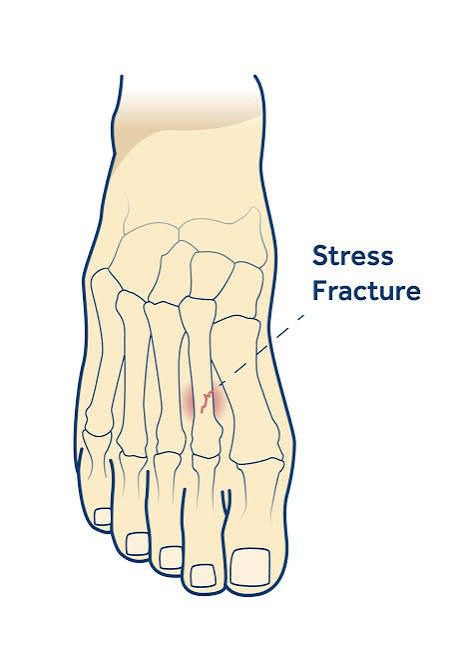
A stress fracture is a thin crack in a bone that develops from repetitive stress and microtrauma, rather than from a single forceful event like a fall or collision. Bone is living tissue — it constantly breaks down and rebuilds itself in response to the load placed on it. When new activity, increased training intensity, or repetitive impact outpaces the bone’s ability to remodel and strengthen, tiny cracks form. Left unaddressed, these microcracks can widen into a full stress fracture.
This is a key distinction from the traumatic orthopedic injuries covered in our orthopedic trauma guide. Traumatic orthopedic injury happens suddenly, from an identifiable event. A stress fracture develops gradually, often without the person realizing anything is wrong until pain becomes hard to ignore.
Where Stress Fractures Most Commonly Occur
- Metatarsals (bones of the foot) — the most common site, especially in runners
- Tibia (shin bone) — common in runners and jumping athletes
- Fibula (outer lower leg bone)
- Navicular bone (midfoot) — notoriously slow-healing and easy to miss
- Femur (thigh bone) — less common but more serious
- Femoral neck — a high-risk location requiring urgent evaluation
- Pelvis — seen in distance runners and older adults with low bone density
Who Is Most at Risk?
Stress fractures don’t only happen to elite athletes. Risk factors include:
- A sudden increase in training volume or intensity (“too much, too soon”)
- Running or jumping sports: track, cross-country, basketball, gymnastics, dance
- Low bone density or osteoporosis, which reduces the bone’s ability to withstand repetitive load
- Nutritional deficiencies, particularly low calcium or vitamin D
- Female athlete triad or RED-S (relative energy deficiency in sport): low energy availability combined with menstrual irregularity and low bone density
- Poor footwear or training surfaces
- Biomechanical issues, such as flat feet or leg-length differences
- A history of previous stress fractures
Stress Fracture Symptoms: What to Watch For
Stress fracture symptoms tend to build gradually rather than appear all at once, which is exactly why so many go undiagnosed until they’ve progressed.
Common symptoms include:
- Localized, pinpoint pain over a specific spot on the bone, rather than a general ache
- Pain that worsens with activity and improves with rest, at least early on
- Swelling around the affected area
- Tenderness to direct touch or pressure on the bone
- Pain that starts appearing earlier in a workout as the fracture progresses, eventually causing pain even at rest
- A dull ache that becomes sharp with continued impact
- Bruising, in some cases, though this is less common than with acute fractures
The hallmark difference between a stress fracture and a simple muscle strain: stress fracture pain is usually specific to one point on the bone, not a broad area of muscle soreness, and it doesn’t improve with the usual rest-and-stretch approach that resolves a strain within a few days.
If you’re pressing on a single spot on a bone and it reproduces sharp, focused pain, especially after a recent increase in activity, that’s a signal worth getting imaged, not stretched out.
How Stress Fractures Doctors Diagnose the Injury
Stress fractures can be difficult to catch early, which is why seeing stress fracture doctors who specialize in overuse and orthopedic trauma injuries makes a real difference in how quickly you get an accurate diagnosis.
1. Clinical History and Physical Exam
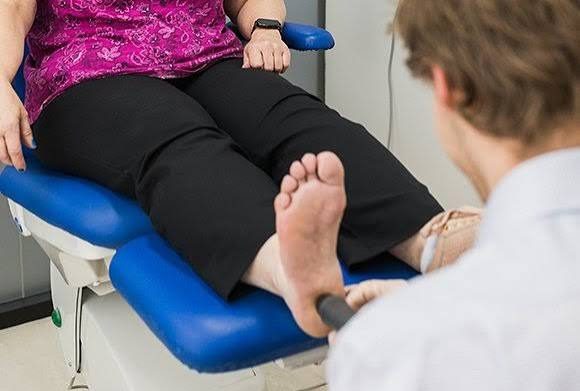
Your doctor will ask about recent changes in training, footwear, nutrition, and menstrual history where relevant, then examine the area for point tenderness, swelling, and pain with specific movements or weight-bearing tests.
2. Imaging
- X-rays are usually the first step, but stress fractures are often invisible on X-ray in the first two to three weeks, since the crack is too small to show up until the bone begins its healing response.
- MRI is the gold standard for early detection. It can identify bone stress reactions before a visible fracture line even forms, which is critical for catching the injury early and preventing progression.
- CT scans are sometimes used for specific locations, like the navicular bone, where precise visualization matters.
- Bone scans may be used in select cases, though MRI has largely replaced this for most patients.
3. Risk Assessment
Because stress fractures can signal an underlying issue—low bone density, nutritional deficiency, or a hormonal imbalance your doctor may also evaluate for these contributing factors, particularly with recurrent stress fractures.
Stress Fracture Recovery Timeline
Recovery depends heavily on the fracture’s location, severity, and how early it’s caught.
| Stage | Typical Timeframe | What’s Happening |
| Diagnosis & offloading | Week 0–1 | Activity modification, possible boot/brace, imaging confirmation |
| Early healing | Weeks 2–4 | Pain with daily activity decreases; bone begins remodeling |
| Progressive loading | Weeks 4–8 | Gradual return to weight-bearing and low-impact activity, guided by pain response |
| Return to sport/activity | Weeks 8–12 | Sport-specific training resumes if pain-free and imaging confirms healing |
| Full return | 3–6 months (variable) | Complete return to prior activity level, with attention to preventing recurrence |
Low-risk stress fractures (most metatarsal and tibial fractures) generally heal in 6 to 8 weeks with rest and activity modification.
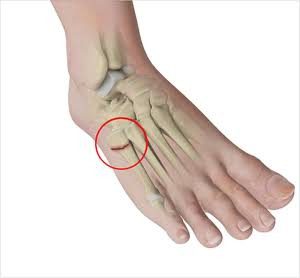
High-risk stress fractures femoral neck, navicular, anterior tibia, and fifth metatarsal Jones fracture heal more slowly, carry a higher risk of progressing to a complete fracture, and sometimes require surgical fixation from the start rather than a wait-and-see approach.
When a Stress Fracture Doesn’t Heal: Nonhealing Fractures
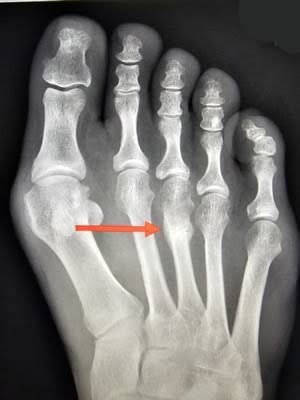
Most stress fractures heal predictably with rest and time. But some don’t, and when a fracture fails to heal within the expected timeframe, it’s classified as a delayed union (healing slower than expected) or a nonunion (healing has effectively stopped). This is when finding an experienced nonhealing fractures doctor becomes essential rather than optional.
Signs a Fracture May Not Be Healing Properly
- Pain that persists or worsens beyond 3 months, despite rest and appropriate offloading
- Continued tenderness at the fracture site on exam
- No progression on follow-up imaging the fracture line is still visible where healed bone should be forming
- Pain returning after activity is resumed, even at low intensity
- Swelling that doesn’t resolve
Why Fractures Fail to Heal
- Continued weight-bearing or activity before the bone was ready
- High-risk fracture locations with naturally poor blood supply (the navicular and fifth metatarsal are classic examples)
- Underlying low bone density or metabolic bone disease
- Smoking, which significantly impairs bone healing
- Nutritional deficiencies, especially vitamin D and calcium
- Undiagnosed hormonal or endocrine conditions
- Inadequate initial immobilization or offloading
How Nonunion Is Treated
Treatment depends on the cause and location, but options a nonhealing fractures doctor may consider include:
- Extended or more rigid immobilization
- Bone growth stimulation using ultrasound or electrical stimulation devices
- Nutritional and metabolic workup, correcting deficiencies contributing to poor healing
- Surgical intervention, including internal fixation with screws or plates, or bone grafting to stimulate healing at the fracture site
- Addressing underlying risk factors: bone density testing, endocrine evaluation, or training modification to prevent recurrence
Left untreated, a nonhealing stress fracture can progress to a complete fracture, which is a far more serious injury requiring more invasive treatment and a longer recovery. This is precisely the kind of complication our orthopedic trauma guide addresses: an injury that starts small but requires specialist-level care once it crosses into complex territory.
When to See a Specialist vs. Manage It Yourself
| Situation | Recommended Step |
| Mild, activity-related pain, no swelling, recent | Reduce activity, monitor for 1–2 weeks |
| Pain persists beyond 2 weeks or worsens | See a stress fracture doctor for imaging |
| Pain at rest, swelling, or a high-risk fracture location | Prompt evaluation by an orthopedic specialist |
| Pain returning after 6–8 weeks of rest, or no improvement on imaging | See a nonhealing fractures doctor for a full workup |
| Numbness, deformity, or inability to bear weight at all | Seek emergency orthopedic trauma evaluation |
Preventing Stress Fractures and Recurrence
- Increase training load gradually — the “10% rule” (no more than a 10% increase in weekly mileage or intensity) is a reasonable guideline
- Cross-train to reduce repetitive impact on the same bones
- Ensure adequate calcium and vitamin D intake
- Replace worn-out footwear regularly
- Address biomechanical issues with a sports medicine or orthopedic evaluation
- Don’t run through bone pain — muscle soreness and bone pain are not the same thing, and treating one like the other is how a manageable injury becomes a nonunion
Finding a New York Orthopedic Trauma Service You Can Trust
Stress fractures sit in a category that’s easy to underestimate. They don’t look dramatic on the outside, but delayed diagnosis or improper treatment can turn a 6-week recovery into a months-long nonunion. Working with a New York orthopedic trauma service that has fellowship-level experience in both acute trauma and overuse injuries means the difference between a fracture caught early and one that’s still causing problems six months later.
Sean Thompson, MD, and the team at our Jamaica (Queens), New York City, Clifton, and Englewood offices evaluate stress fractures at every stage, from early, hard-to-see bone stress injuries to established nonunions that need surgical correction. If your pain isn’t improving on the timeline it should, that’s the signal to get imaged and evaluated rather than wait it out further.
Dealing with bone pain that isn’t going away?
Book a consultation with our orthopedic trauma team for an accurate diagnosis and a recovery plan built around your specific fracture.
Frequently Asked Questions
How do I know if it’s a stress fracture and not shin splints?
Shin splints cause pain along a broader stretch of the shin, especially during activity, and typically improve with rest within a few days. A stress fracture causes pain concentrated at one specific point on the bone, and that pain tends to persist or worsen rather than settle down with a few days off.
Can you walk on a stress fracture?
In many cases, yes, though walking on it without offloading can slow healing or worsen the injury, particularly in high-risk locations like the navicular or femoral neck. A doctor will advise whether a walking boot, crutches, or full non-weight-bearing status is appropriate for your specific fracture.
How long does a stress fracture take to heal?
Most low-risk stress fractures heal in 6 to 8 weeks with proper rest and activity modification. High-risk fractures, or those that progress to a delayed union or nonunion, can take several months and may require additional treatment such as bone stimulation or surgery.
Do stress fractures show up on X-ray right away?
Not always. Many stress fractures are invisible on X-ray for the first two to three weeks. An MRI is far more sensitive and can detect a bone stress injury before it’s visible on standard imaging.
When should I see a doctor for a nonhealing fracture?
If pain persists beyond the expected healing window (typically 6 to 8 weeks for most stress fractures), returns after resuming activity, or follow-up imaging shows no signs of healing progress, it’s time to see a nonhealing fracture doctor for a full evaluation.